Honor Launches X7e Smartphone in Russia Featuring 7200mAh Battery and AI Shortcut Button
July 21, 2026
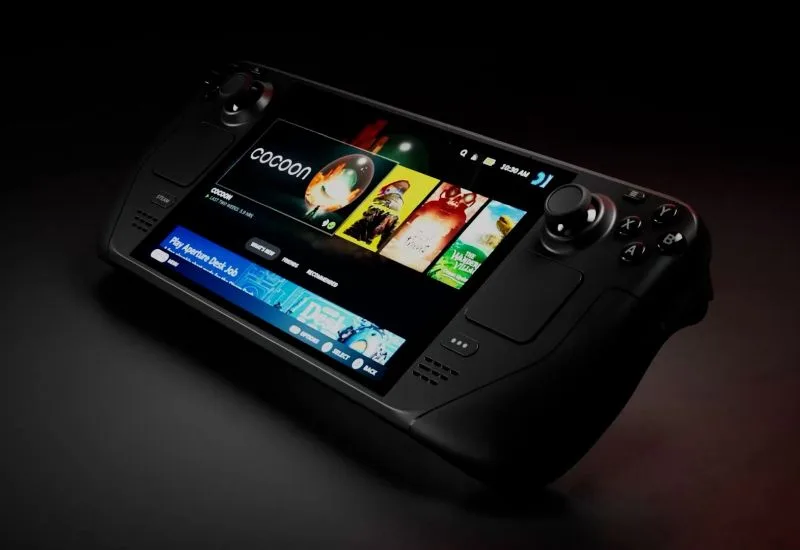
Valve’s Steam Deck handheld gaming console is encountering significant supply constraints across multiple key markets worldwide. Availability has become notably tight in regions including Europe, North America, and Japan. This shortage underscores the broader challenges currently facing the consumer electronics industry amid ongoing shortages of memory chips.
The scarcity of semiconductor memory components, a crucial part of electronic devices, has been intensifying due to surging demand fueled in part by advancements in artificial intelligence technologies. Experts had anticipated that sectors such as consumer electronics and gaming consoles would soon be impacted by these bottlenecks, and the situation with the Steam Deck serves as a clear example.
As memory chips grow increasingly difficult to procure, manufacturers like Valve are experiencing hurdles in meeting production targets. The Steam Deck, a portable device that combines PC gaming capabilities with handheld convenience, has become an especially sought-after item. However, its presence on shelves and in online stores has diminished considerably as supply struggles to keep pace with demand.
The global nature of the shortage means that consumers in major gaming markets are all feeling the impact. Across Europe, enthusiastic gamers have reported difficulties securing new units, while in North America and Japan, the device’s scarcity is similarly evident. This broad reach reflects the widespread influence of the current chip supply disruptions.
Valve’s handheld console was designed to cater to those seeking versatile gaming solutions outside traditional PCs or home consoles. Its rapid adoption has placed additional pressure on already stretched supply chains. Unlike short-lived shortages affecting less popular devices, the Steam Deck’s position highlights ongoing systemic issues in the electronics manufacturing ecosystem.
Industry watchers continue to monitor how long these shortages will persist and what steps manufacturers might take to mitigate the impact. Potential resolutions include increasing chip production capacity or revising component sourcing strategies. Until these bottlenecks ease, consumers interested in the Steam Deck may face extended wait times or difficulty purchasing the device directly from retailers.
This development serves as a reminder that even well-established gaming hardware can be vulnerable to wider technological supply chain disruptions. Players looking to invest in portable gaming solutions might need to consider alternative products or plan for delays as the industry adapts to ongoing semiconductor constraints.
Valve’s Steam Deck handheld console faces worldwide scarcity amid memory chip shortages impacting the consumer electronics sector.