App Store Sees Surge in New Apps Amid Growth of No-Code Platforms in Early 2026
July 21, 2026
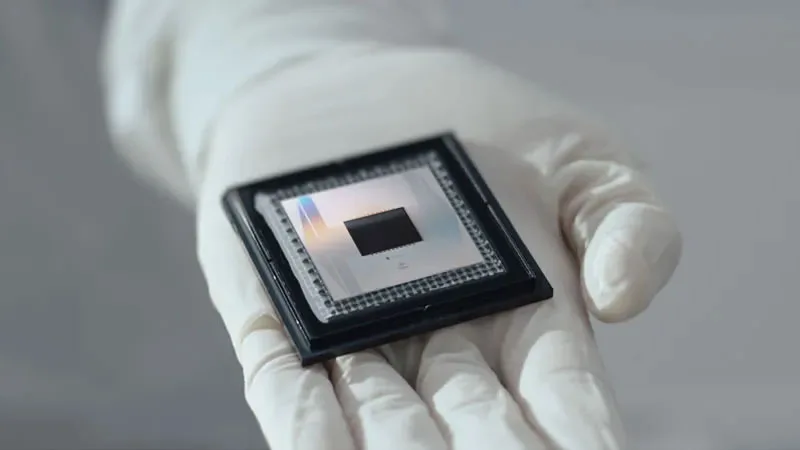
Google has initiated an early access program for its latest quantum computing platform, equipping selected research teams with the opportunity to utilize its advanced processor dubbed Willow. Featuring 105 qubits, this next-generation quantum processor aims to offer significant computational advancements for scientific projects, though it remains out of reach for the wider public at this time.
The newly announced Willow Early Access Program grants a limited number of scientific groups the ability to experiment with Google’s cutting-edge quantum technology ahead of broader availability. By opening the program to carefully vetted applicants, the company hopes to foster pioneering research that leverages the capabilities of its expanded qubit architecture.
However, participation in this program is subject to restrictions. Google has disclosed that applications originating from certain countries are not considered, regardless of the scientific merit of their proposals. Specifically, researchers based in China, Russia, Ukraine, Iran, and Belarus have been excluded from the initiative. This measure reflects broader geopolitical factors influencing technology collaborations on the global stage.
The decision to limit access highlights ongoing challenges in balancing innovation with regulatory and policy considerations in emerging fields such as quantum computing. It underlines the growing awareness within the tech industry of the sensitivities surrounding cutting-edge technologies and their dissemination worldwide.
The Willow quantum processor represents a significant jump in qubit count compared to previous iterations of Google’s quantum hardware. With 105 qubits, it aims to unlock new potential in quantum algorithms, error correction, and complex simulations that are difficult or impossible for classical computers to handle efficiently.
While details regarding the program’s selection criteria, timeline, and broader deployment have not been fully disclosed, Google’s offer of early access marks an important milestone toward advancing practical quantum computing applications. It also signals an evolving strategy for distributing access to high-impact research infrastructure within the global scientific community.
Google’s move follows a trend among leading technology firms to gradually extend experimental quantum computing platforms beyond internal teams. By enabling external researchers to develop and test quantum applications on real hardware, such programs help accelerate innovations that may lead to breakthroughs in fields ranging from material science to cryptography.
At the same time, the exclusion of researchers from several countries demonstrates how international politics continue to shape the landscape of scientific exchange and cooperation in advanced technology sectors. The parameters set by Google reflect the complexities companies face when managing access to sensitive and potentially transformative tools.
As quantum computing continues to evolve, broader participation will likely remain a key discussion point. Achieving a balance between openness for scientific collaboration and adherence to policy frameworks may shape how the technology’s benefits are distributed over the coming years.
Google offers select scientists early access to its 105-qubit quantum computer, barring researchers from several countries from participation.