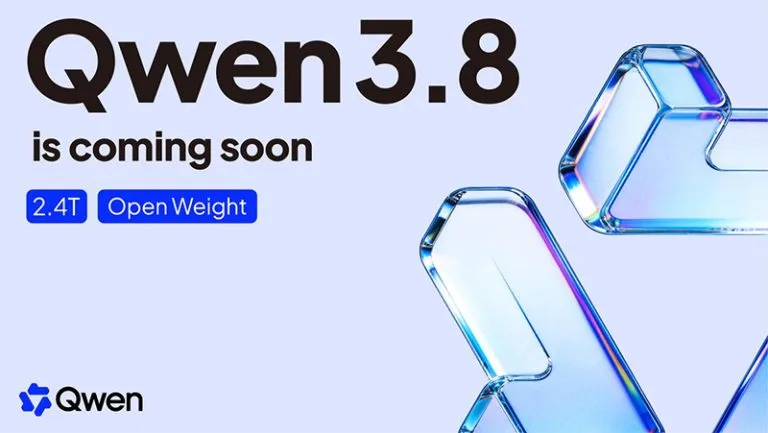
Alibaba Unveils 2.4 Trillion Parameter AI Model Qwen3.8 with Multimodal Capabilities
July 19, 2026

Google has announced a significant update in its search quality guidelines aimed at curbing manipulative tactics by website operators. The company will now treat efforts to artificially influence the presence of web pages in artificial intelligence-generated search responses as a form of spam.
This policy adjustment reflects the growing integration of AI summaries within search results. As AI-driven answer boxes and summaries become more prominent in providing direct responses to user queries, Google seeks to maintain the integrity and quality of these features by ensuring that the information presented is trustworthy and not artificially boosted.
Websites that attempt to game the system by engaging in practices designed to increase their likelihood of being featured in AI-generated answer snippets will face penalties. These actions will be classified under spam violations, potentially resulting in demotions within Google’s search results.
While the company has long targeted spammy behavior meant to distort rankings in traditional search listings, this update explicitly extends such enforcement to scenarios involving AI response generation. This includes tactics such as keyword stuffing, misleading content, and other manipulations intended to skew AI selection algorithms.
Google’s decision highlights the company’s commitment to preserving the quality of search experiences as AI technologies become more central. By penalizing attempts to distort AI-generated summaries, Google aims to encourage publishers to focus on producing authentic, high-quality content rather than trying to exploit automated content delivery mechanisms.
Details on enforcement specifics and the scope of penalties were not fully outlined, but the update signals an ongoing effort to adapt spam policies to the evolving landscape of AI in search. Site owners and content creators are advised to align with best practices emphasizing genuine content value rather than shortcut tactics to achieve prominent placement.
This development underscores the challenges digital marketers and SEO professionals face as AI continues to reshape how search engines surface and summarize information. Maintaining search ranking credibility now requires navigating not only traditional algorithms but also the criteria that govern AI-generated answers.
Google updates spam policies to penalize sites attempting to manipulate AI-generated search answers by lowering their search rankings.