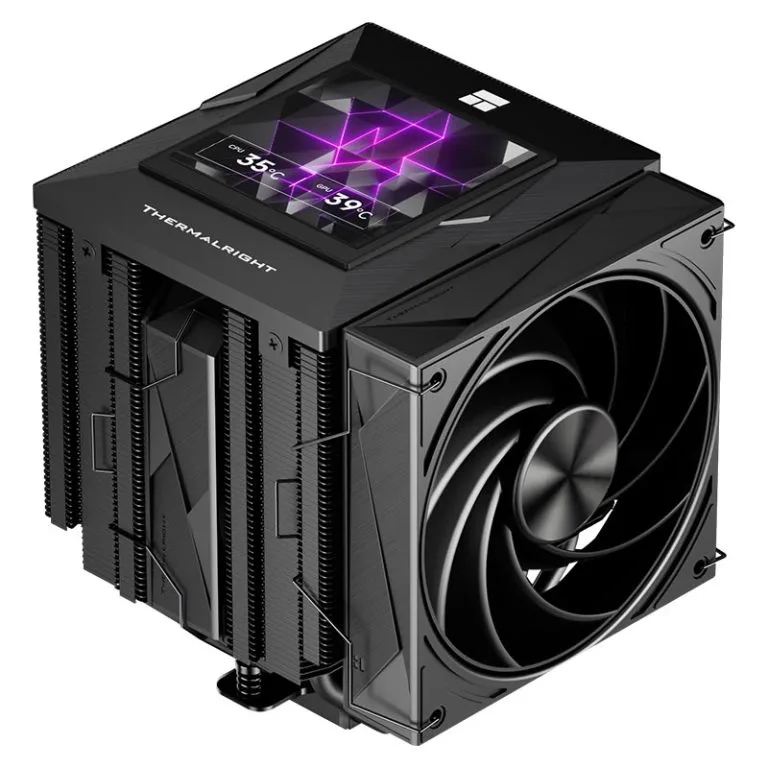
Thermalright Introduces Royal Pretor 130 Vision Cooler with Integrated 3.95-Inch Color Display
July 21, 2026

GoPro has announced the development of its most advanced image processing chip to date, the GP3, which will be integrated into the brand’s upcoming generation of cameras. Manufactured using a 5-nanometer semiconductor process, the new chip aims to significantly elevate the capabilities of GoPro’s imaging technology.
The GP3 processor is designed to deliver more than twice the pixel processing performance compared to the current GP2 chip. This leap in processing power is expected to enable GoPro cameras to handle more complex imaging tasks with greater efficiency and speed.
Additionally, the GP3 incorporates improved AI algorithm support, allowing for smarter and more effective image enhancements. This integration is geared toward optimizing various shooting scenarios, including better automated adjustments and potentially new intelligent features that leverage machine learning techniques.
One of the notable advancements anticipated with GP3 is its enhanced performance in low-light conditions. Users can expect improved image quality when shooting in dim environments, addressing a common challenge for action cameras and expanding the range of viable shooting situations.
While GoPro has not released further technical specifications, pricing details, or availability timelines for cameras featuring the GP3, the announcement underscores the company’s commitment to advancing camera hardware through cutting-edge semiconductor technology and AI-driven processing. The transition to a 5nm manufacturing process reflects a broader industry trend aimed at achieving higher efficiency and performance in compact, power-sensitive devices.
As GoPro prepares to integrate the GP3 chip into its next lineup, the imaging and action camera market will likely see a new wave of innovation focused on enhanced processing capabilities and smarter, more adaptive photography solutions.
GoPro reveals its powerful new GP3 image processing chip, promising double the pixel processing speed and enhanced low-light performance.