Intel Initiates New Round of Layoffs in Data Center Group Amid Efficiency Drive
July 21, 2026
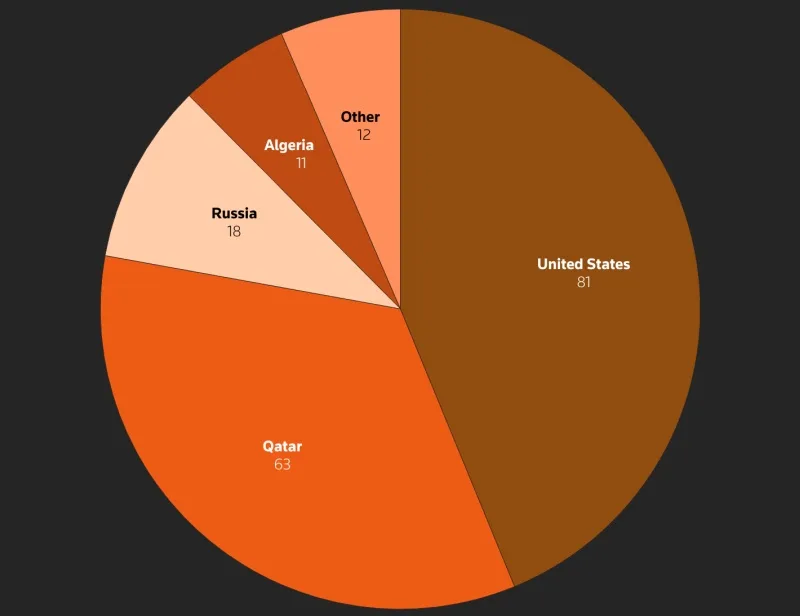
The ongoing conflict in the Middle East has led to a significant reduction in helium exports, creating a ripple effect on the technology sector worldwide. Helium, a critical gas used during several stages of semiconductor manufacturing, has seen its supply constrained, leading to rising prices and disruptions throughout the chip production pipeline.
Helium is indispensable for the production of microchips, integral to cooling processes, leak detection, and precision handling during manufacturing. Its inert properties and low boiling point make it ideal for maintaining stable and controlled environments necessary for high-precision technological fabrication.
With the reduced availability of helium due to geopolitical instability, companies involved in semiconductor fabrication are encountering challenges in securing this resource. The shortage is pressuring the efficiency and cost-effectiveness of chip production, a foundational component of numerous electronic devices.
Beyond cooling and leak detection, helium’s applications in high-accuracy processing steps mean even slight supply constraints can lead to significant production bottlenecks. This disruption not only impacts chipmakers but extends into the broader technology and electronics industries reliant on these components.
As the helium shortage intensifies, manufacturers and supply chain stakeholders are actively exploring alternative sources and innovative solutions to mitigate the effects. The situation underscores the fragile dependencies within global supply chains and the critical nature of resource availability impacting technological innovation and production continuity.
Industry analysts expect the helium supply issue to continue influencing semiconductor output until geopolitical conditions stabilize or new reliable helium sources are established. The current environment highlights the interconnected nature of global conflict and industrial supply chains, driving companies to reassess and diversify their raw material procurement strategies.
Reduced helium supply amid Middle East conflict is affecting chip production and tech manufacturing, prompting firms to seek alternative resources.