Advancements in CFET Technology Promise Faster, Smaller, and More Reliable Semiconductor Transistors
July 21, 2026
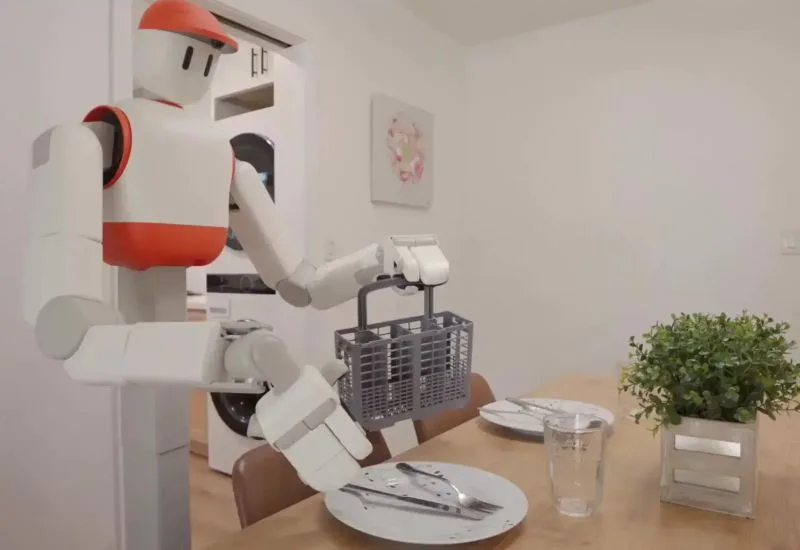
As advancements in humanoid robotics continue to accelerate, many developers are shifting their focus toward creating robots that not only function effectively but also possess a more friendly and relatable appearance. This approach aims to address societal apprehensions often associated with highly mechanical or uncanny robot designs.
Technological breakthroughs in robotics are frequently met with skepticism or cautious reception among certain segments of the population. One notable strategy emerging from the research and development community is to enhance the visual appeal of humanoid robots, making them more charming and humanlike in appearance. By softening the robot’s look and imbuing it with characteristics that resonate positively with users, developers hope to increase the acceptance and appeal of such machines in everyday environments.
This design philosophy reflects an understanding that beyond functional capabilities, a robot’s appearance heavily influences the emotional and psychological response it elicits from people. While maintaining essential mechanical and operational features, efforts in recent projects often include nuanced facial features, smoother movements, and expressive gestures designed to mimic human behavior and foster empathy.
By prioritizing these aspects, the robotics field is targeting a broader audience of potential consumers and users. Whether for personal use, service applications, or social interaction, approachable humanoid robots could bridge the gap between technology and human comfort, making intelligent robots a more integrated part of daily life.
Although exact details about specific models and market strategies remain limited, this trend indicates a shift in industry priorities—placing equal weight on technological advancement and the user’s emotional experience. As the field matures, the interplay between design aesthetics and robotic capabilities will likely become a central theme in humanoid robot innovation.
Developers of humanoid robots are focusing on friendlier, more humanlike designs to foster broader acceptance and consumer interest.