Memory Chip Makers Face Potential DRAM Oversupply by 2028 Amid Massive Capacity Expansions
July 20, 2026
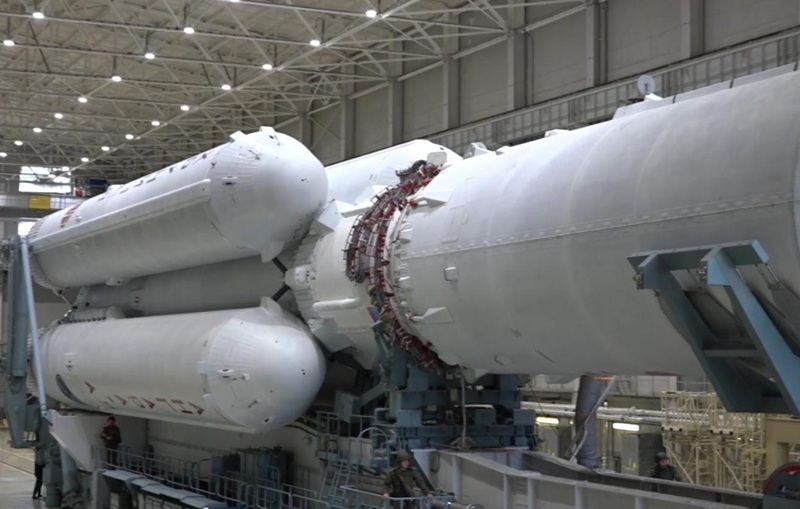
Russia’s advanced heavy-lift Angara-A5V rocket, intended to utilize a hydrogen-fueled upper stage, will not take its maiden flight before 2030, marking a delay from previous plans set for 2027.
According to reports citing Roscosmos, the Angara-A5V featuring the KVTK hydrogen upper stage is now scheduled for its first launch between 2030 and 2031. The updated timeline represents a shift from earlier expectations to conduct flight tests of the ultra-heavy Angara-A5V at the Vostochny Cosmodrome by 2027.
The Angara-A5V is designed to enhance Russia’s capacity for heavy payload delivery to orbit. Its hydrogen-fueled upper stage represents a significant technological advancement within the Angara rocket family, aiming to increase performance and payload flexibility for various space missions.
Roscosmos has maintained that the vehicle’s flight tests are a critical component of Russia’s plans to secure future access to space for both governmental and commercial payloads. The delay to 2030 or later reflects adjustments in program scheduling and development requirements for the more complex hydrogen propulsion system.
Globally, heavy-lift launch vehicles employing advanced propulsion stages are increasingly pivotal for ambitious space exploration and satellite deployment projects. Russia’s Angara-A5V program is among several efforts worldwide seeking to leverage hydrogen-fueled upper stages for improved efficiency, joining trends seen in other launch providers’ developments. Such technologies aim to compete in a growing market demanding higher payload capacities and versatile launch capabilities.
Moving forward, the aerospace community will monitor the Angara-A5V’s progress closely as Russia works toward establishing its next-generation heavy-lift launcher. The timeline adjustment postpones the vehicle’s debut but maintains its strategic importance in the country’s space launch portfolio.
The debut flight of Russia’s heavy-lift Angara-A5V rocket with a hydrogen upper stage is postponed from 2027 to 2030 or later.