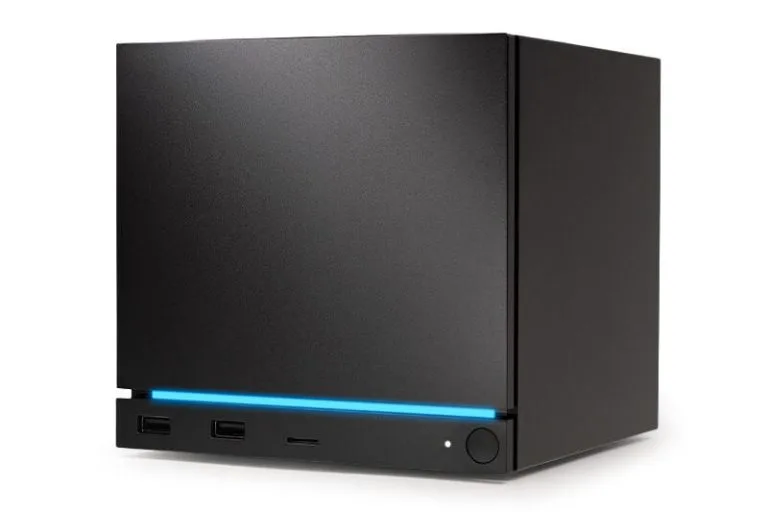
Steam Machine Sales Surpass Expectations with Weekly Figures Reaching Up to 15,000 Units
July 19, 2026
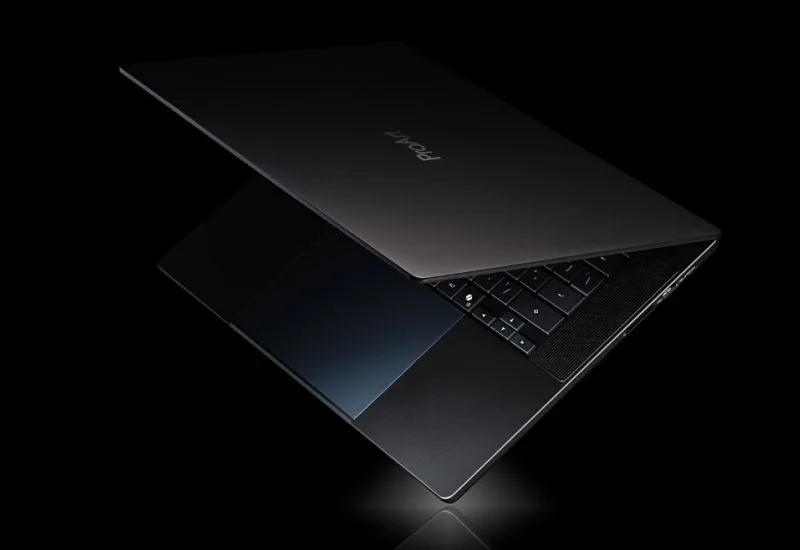
Nvidia’s recent unveiling of the RTX Spark platform for Windows-based PCs has generated significant buzz within the tech community. The new platform integrates Nvidia’s RTX technology with ARM architecture, marking a notable step in the evolving landscape of PC processors. While the launch has been met with interest and excitement, major industry players have voiced reservations about the challenges ahead.
Intel was among the first to comment on Nvidia’s RTX Spark reveal, emphasizing that adopting ARM architecture in the Windows PC segment will not be without hurdles. The company underscored the complexity involved in gaining widespread market adoption for any new ARM-based platform designed for traditional Windows environments.
This perspective aligns with concerns shared by other competitors, including Qualcomm, reflecting the broader skepticism about overcoming both technical and market barriers. Factors such as software compatibility, developer support, and performance optimization remain critical areas that Nvidia and similar challengers must address to make significant inroads in the industry.
The transition to ARM architecture within PCs has been a topic of debate for several years, with varying degrees of success among different manufacturers. Intel’s comments serve as a reminder that despite advances in ARM designs, establishing a foothold against entrenched x86 architectures, particularly in the Windows ecosystem, involves navigating a complex competitive landscape.
Nvidia’s RTX Spark aims to leverage the company’s expertise in graphics processing and AI acceleration, potentially offering a unique value proposition. However, the pathway to market acceptance will likely require considerable efforts in ensuring performance parity and resolving compatibility issues relative to existing solutions.
As the industry watches Nvidia’s move, it remains uncertain how quickly and effectively the new platform can overcome these barriers. Intel’s cautious stance highlights the inherent challenges of introducing disruptive technologies into well-established PC markets.
Overall, the dialogue sparked by Nvidia’s RTX Spark launch underscores the dynamic and competitive nature of semiconductor development, especially as ARM architectures attempt to expand their presence within Windows-based personal computing.
Intel notes the challenges Nvidia may face with its new ARM-based RTX Spark platform for Windows PCs amid strong market competition.