Top Seven US Tech Giants Shed $797 Billion Amid Rising AI Skepticism
July 25, 2026
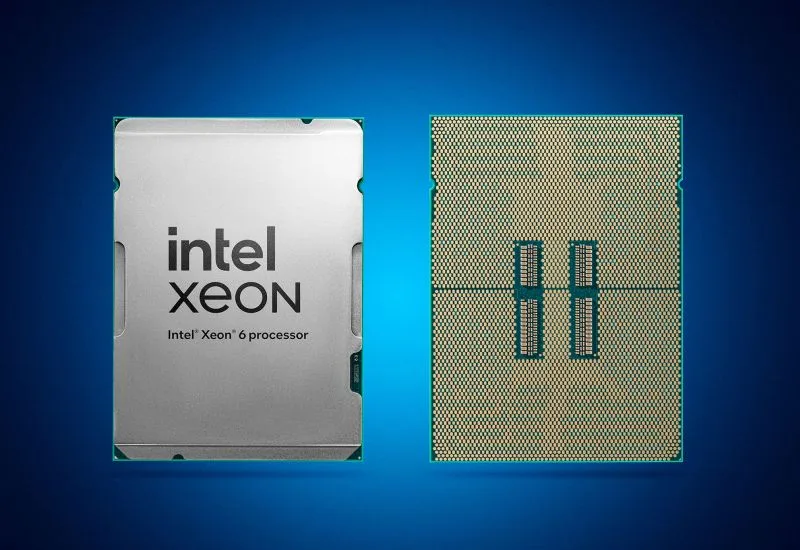
Intel’s CEO has acknowledged that the company faces a significant challenge in advancing its processor architectures to remain competitive in the semiconductor industry. The admission comes amid a complex financial backdrop where Intel reported losses for the second quarter of the year.
Despite the company’s struggles with profitability in this quarter, the losses were primarily attributed to accounting practices linked to a regulatory agreement made last year. Under this agreement, U.S. government authorities acquired nearly 10% ownership in Intel, impacting the company’s financial statements.
This disclosure highlights not only Intel’s current fiscal pressures but also the intensifying competition Intel faces from rivals that have been innovating aggressively on processor designs. The company’s leadership openly conceded that catching up in processor architecture is essential to maintain relevance in a rapidly evolving market.
Intel’s challenge is positioned against a broader context of competitive semiconductor companies advancing in cutting-edge chips and architectures, setting new performance and efficiency standards. In response, Intel aims to accelerate its development efforts, although specific strategic details or timelines were not provided.
Industry observers consider architecture innovation pivotal to Intel’s future growth and market positioning, as newer designs can significantly impact computing performance across consumer, enterprise, and specialized workloads.
While the company navigates these obstacles, the semiconductor sector continues to see fast-paced advancements, making Intel’s race to innovate critical for sustaining its long-term competitiveness.
Intel’s CEO acknowledges the need to advance processor architectures to keep pace with rivals amid ongoing financial challenges.