Memory Chip Makers Face Potential DRAM Oversupply by 2028 Amid Massive Capacity Expansions
July 20, 2026
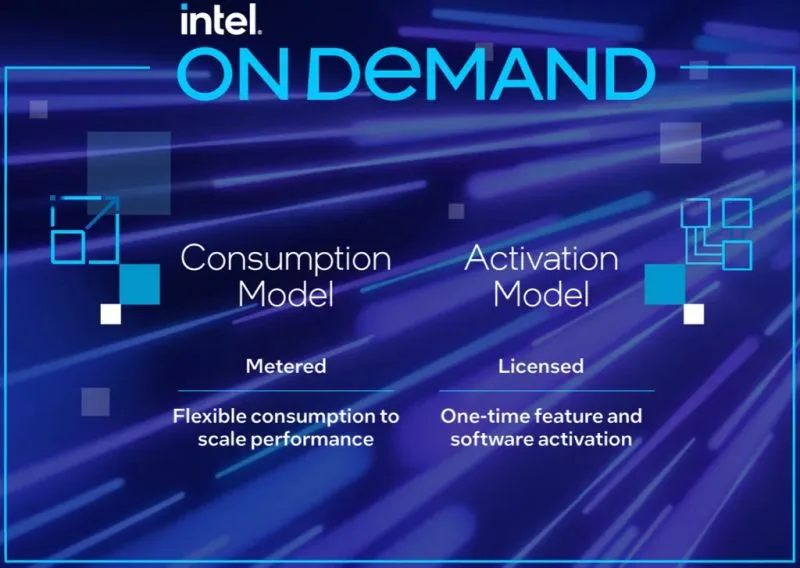
Intel has quietly discontinued its approach to selling processor features through software-based activations, marking the end of an experiment that began nearly five years ago. The company initially introduced a model that allowed customers to pay to enable additional functionalities on processors they already owned, offering a way to expand processor capabilities without purchasing new hardware.
This strategy aimed to provide users with greater flexibility by unlocking premium features post-purchase, but it did not become a mainstream practice within the PC industry. The pay-for-activation concept was seen as an innovative but unconventional method of software-hardware integration, where processor functions could be gated behind license fees.
The original concept allowed users to buy a base processor, then activate extra features on demand via software keys sold by Intel. This model was expected to appeal to a segment of customers who preferred upgrading capabilities incrementally, avoiding the need to upgrade entire systems just to gain access to advanced functionalities.
However, this approach did not gain widespread adoption, and Intel has now quietly phased out the program. Industry observers note that the traditional model of hardware upgrade cycles and bundled feature sets remains dominant, and the complexities of managing software licenses for hardware features may have contributed to the model’s limited traction.
Intel has not publicly detailed the reasons behind the discontinuation nor announced any alternative plans for similar feature monetization. The decision closes a chapter in the company’s exploration of software-driven hardware capabilities, focusing going forward on more conventional pathways to drive processor innovation and customer value.
Despite the quiet end of this initiative, the broader idea of enabling modular upgrades and unlocking hardware functions via software remains an area of interest in the tech community. Other companies may explore similar concepts with different approaches to meet evolving user demands for flexibility and cost-effective upgrades.
Intel has ended its program that allowed users to unlock additional processor features through paid software activation.