Modern Vehicles Demand Massive Memory Capacities, Challenging Semiconductor Supply
July 17, 2026
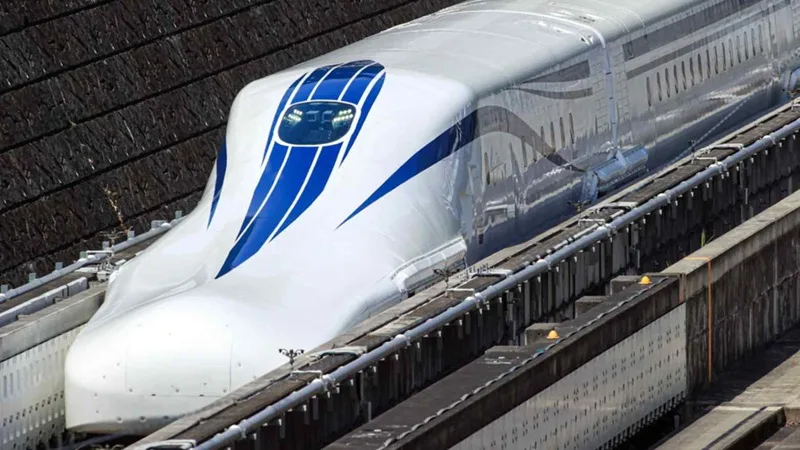
Japan has given the green light to resume work on a key segment of the Tokyo-Nagoya magnetic levitation (maglev) train line, reviving a high-profile infrastructure project that had been stalled for around ten years. The approval was granted last week, signaling renewed momentum on the futuristic rail system aimed at significantly cutting travel times between the two major cities.
The initial section of the maglev line will be constructed in Shizuoka Prefecture, a region that had previously seen delays due to opposition from local authorities, including a former governor who resisted the project. With the latest decision, construction activities are set to restart, reigniting progress on this ambitious transportation initiative.
The Tokyo-Nagoya maglev has been envisioned as one of the fastest rail links globally, utilizing magnetic levitation technology to propel trains at speeds surpassing those of conventional high-speed rails. Despite its promise, the project faced obstacles when local government concerns brought work to a standstill roughly a decade ago.
Shizuoka Prefecture’s previous resistance stemmed partly from environmental, logistical, and social issues related to tunneling and land use. The halt significantly impacted the timeline and development plans for the maglev line. Last week’s approval marks a crucial overcoming of these hurdles, indicating that negotiations and planning have addressed earlier conflicts sufficiently to proceed.
The project forms a central element of Japan’s broader vision to modernize its transportation infrastructure and maintain leadership in rail technology advancements. The maglev will eventually provide a high-speed corridor between Tokyo and Nagoya, facilitating faster passenger travel and potentially easing congestion on existing rail lines.
While specific details regarding the pace of construction, future phases, costs, or revised timelines have not been disclosed, the resumption signals that Japan remains committed to realizing this cutting-edge rail network despite previous delays. It underscores the strategic importance of magnetic levitation trains as a component of the country’s transportation future.
As work restarts, industry observers will be closely monitoring progress on the maglev line, which represents one of the most ambitious projects in high-speed rail development worldwide. The unfolding construction in Shizuoka Prefecture could pave the way for enhanced connectivity and set new standards for rail transit speed and efficiency.
Further updates on the project are expected as construction advances and additional phases receive approval in the years ahead.
Japan has approved restarting the Tokyo-Nagoya maglev project, reviving construction after a decade-long pause in Shizuoka Prefecture.