Samsung Addresses Red-Tinted Display Issue on Galaxy S26 Ultra with Software Update
July 17, 2026
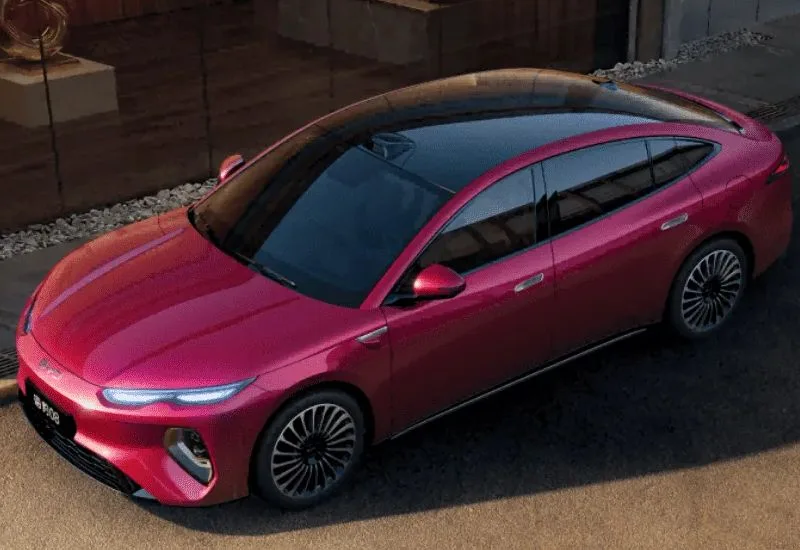
The automotive industry is evolving into one of the most demanding sectors for memory resources, with modern vehicles integrating significant amounts of DRAM and solid-state storage. Industry observations indicate that some automobiles today can include as much as 100 gigabytes of DRAM and up to 1.5 terabytes of SSD capacity. This marks a significant shift as vehicles transition from simple machines to highly advanced digital platforms.
The ongoing transformation in vehicle technology, driven by advanced driver-assistance systems, infotainment, and autonomous driving features, requires large volumes of memory to process and store data efficiently. This trend emerges at a time when the global semiconductor industry faces supply challenges.
The pandemic played a notable role in complicating semiconductor availability, with shortages initially affecting the supply of basic chip components crucial in manufacturing vehicles. Contrary to expectations, the automotive sector now competes with artificial intelligence applications, as well as personal computer and smartphone markets, for semiconductor resources.
Currently, semiconductor production largely prioritizes AI and high-demand consumer electronics, often leaving automotive memory needs to be addressed later in the supply chain. Nonetheless, the increasing complexity and data demands of modern vehicles have made substantial memory integration unavoidable. Automakers are thus compelled to incorporate expanded DRAM and SSD capacities to support emerging digital features and maintain performance standards.
The strain on semiconductor supply is further intensified by the growing ubiquity of connected and autonomous vehicles. These systems require continuous data processing, storage, and real-time analytics, all of which heavily rely on memory capacity. The automotive sector’s escalating memory consumption mirrors its technological evolution and reflects broader industry trends impacting supply chains worldwide.
While specific details regarding the impact on pricing or production output were not disclosed, the shift toward substantial memory installation in vehicles underscores a crucial area for manufacturers and suppliers alike. The balancing act between meeting growing memory demands in the automotive sector and addressing competing priorities across AI, PC, and smartphone markets remains a pivotal challenge moving forward.
As vehicles continue to integrate sophisticated electronic systems, the role of memory components in supporting functionality and user experience intensifies. This development positions automobiles as increasingly important consumers of semiconductor memory resources, reshaping industry dynamics amidst ongoing technological advancements.
Automobiles now require up to 100 GB DRAM and 1.5 TB SSD, intensifying pressure on semiconductor resources amid AI and consumer tech demands.