TSMC Plans $265 Billion Investment to Expand U.S. Chip Manufacturing Amid Rising Competition
July 20, 2026
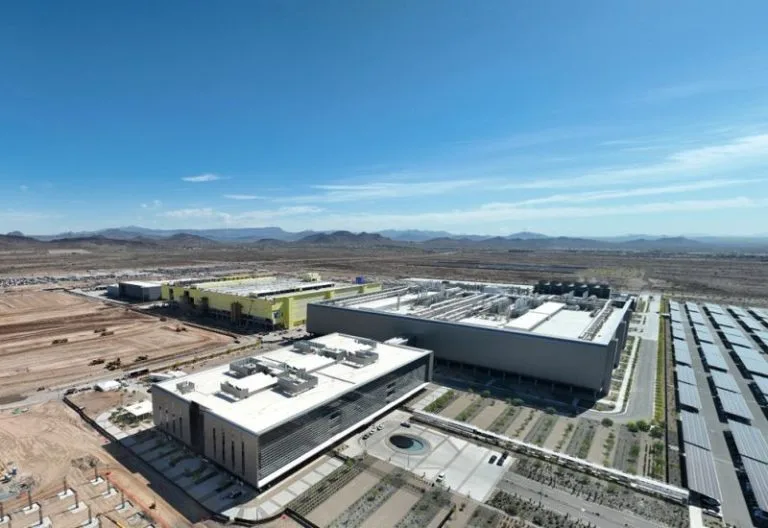
Public resistance to the placement of data centers for artificial intelligence near residential areas in the United States has increased dramatically in less than a year. Recent findings reveal that 71% of Americans now oppose having these facilities close to their homes, up significantly from 42% just nine months ago.
The shift in public sentiment appears to be tied directly to worries about environmental and economic impacts. Water shortages have become a pressing issue in many regions, and data centers are known for their substantial water consumption to maintain cooling systems. This has heightened anxieties about the strain these facilities place on local water supplies.
Additionally, there has been notable frustration over increasing electricity bills linked to the energy demands of data centers. Many communities have voiced concerns that rising operational costs for these facilities ultimately translate to higher utility expenses for residents.
Compounding these issues are perceived failures by large technology companies to fulfill promises related to community benefits and environmental responsibility. Skepticism toward the corporate commitments made during the planning and construction phases of data centers is contributing to the opposition.
The rapid adoption of artificial intelligence technology has fueled an expansion of data infrastructure needs, leading to a surge in data center projects. While these facilities play a crucial role in supporting AI applications, balancing technological growth with local community interests remains a complex challenge.
Many municipalities and advocacy groups are now seeking stricter regulations and greater transparency in data center development to address these public concerns. The evolving landscape highlights the importance of sustainable planning and effective communication between technology providers and the communities they serve.
As the debate continues, the data underscores a significant shift in public attitudes toward data center expansion in residential neighborhoods, signaling the need for careful consideration of environmental and social factors in technological infrastructure planning.
Support for building AI data centers near US homes has dropped sharply due to water shortages and rising energy costs.