App Store Sees Surge in New Apps Amid Growth of No-Code Platforms in Early 2026
July 21, 2026
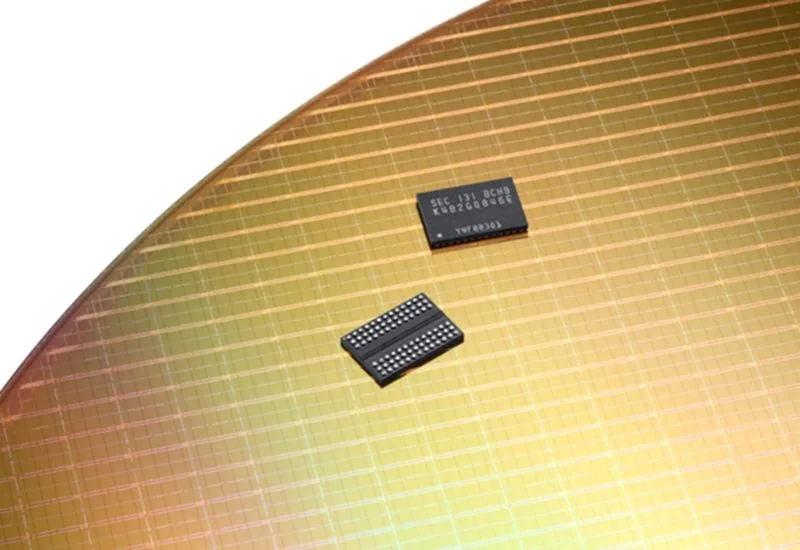
The market for memory products is expected to surpass the contract chip manufacturing sector by a significant margin by the end of 2026, according to recent industry analyses. This growth highlights shifting dynamics within the semiconductor supply chain amid evolving demand and pricing conditions.
Contract manufacturers, who produce semiconductor devices for various clients, traditionally maintain a level of discretion regarding their pricing strategies. However, leaks and industry reports have revealed a noticeable trend: costs associated with contract chip production are climbing driven by increased demand pressures.
Meanwhile, the memory segment of the semiconductor industry is experiencing even more rapid price appreciation. The combination of strong market demand for memory components—key elements in computing, data centers, and consumer electronics—and constrained supply is contributing to the robust expansion of market value in this domain.
Analysts forecast that by the conclusion of 2026, the financial volume of the memory market will more than double the revenues generated by contract chip manufacturing services. This marks a significant shift when compared to historical market distributions, reflecting both the growing importance and profitability of memory products within the overall semiconductor ecosystem.
The memory market’s expansion underscores ongoing technological trends that rely heavily on increased memory capacity and speed, such as artificial intelligence workloads, cloud computing, and advanced mobile devices. As these technologies gain momentum, their demand for memory components continues to fuel price growth and investment in the sector.
While the contract manufacturing segment remains vital for semiconductor production across numerous chip types, its rate of growth is comparatively steadier due to different market pressures, including capital intensity and competitive pricing environments. In contrast, the memory market’s more volatile nature, shaped by volatile supply-demand balances, contributes to its faster expansion in terms of revenue.
Industry observers emphasize the importance of monitoring these changing market dynamics, as they impact supply chains, investment priorities, and strategic planning for semiconductor companies worldwide. The rising prominence of memory products in market valuations signals a potential realignment within the broader chip production industry going forward.
Overall, the anticipated dominance of the memory market by 2026 reflects broader shifts in semiconductor demand driven by emerging technologies and evolving market conditions. The relationship between contract chip manufacturing and memory sectors will continue to shape the semiconductor landscape in the coming years.
By 2026, the memory market’s revenue is projected to more than double that of the contract chip manufacturing sector amid rising demand and pricing.