Memory Chip Makers Face Potential DRAM Oversupply by 2028 Amid Massive Capacity Expansions
July 20, 2026
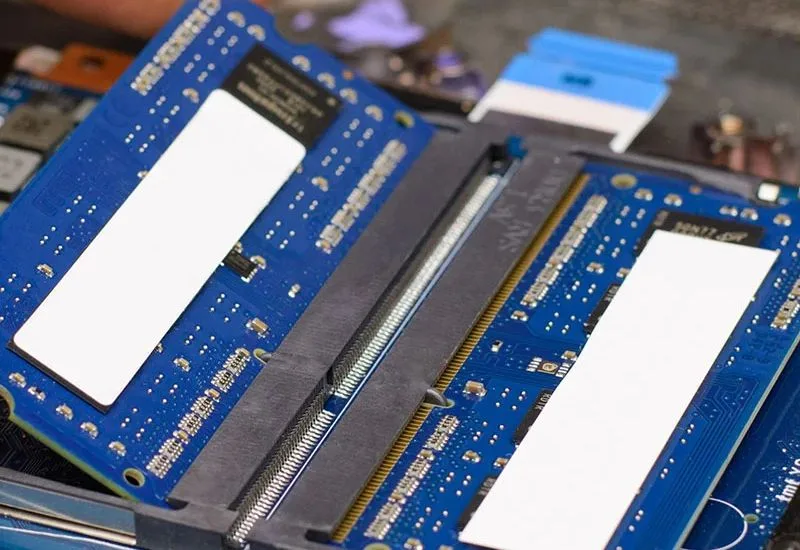
The global memory chip market, traditionally dominated by South Korean giants Samsung and SK hynix alongside American Micron, is experiencing significant supply constraints. This scarcity has opened the door for Taiwanese and Chinese memory manufacturers to gain traction among leading laptop producers.
Major original equipment manufacturers (OEMs) like HP, Dell, Acer, and Asus are increasingly evaluating Chinese memory modules to address these supply challenges. Industry reports indicate that these companies are actively exploring alternatives beyond their customary partnerships with Korean and U.S. suppliers to diversify their sourcing and mitigate the effects of ongoing shortages.
The semiconductor industry has long been characterized by the concentration of memory chip production among a few key players. Samsung and SK hynix together hold a substantial portion of the dynamic random-access memory (DRAM) market, which powers a wide range of electronic devices, especially laptops. Meanwhile, Micron serves as a major competitor from the United States, rounding out the trio of dominant manufacturers.
However, the recent memory shortage has disrupted this dominance, compelling hardware companies to reassess their supply chains. Chinese firms, benefiting from advancements in production technology and increasing manufacturing capacity, now present viable options for business continuity in the highly competitive notebook segment.
This shift not only marks a strategic response to immediate supply pressures but also signals a broader change in sourcing dynamics within the tech industry. As Chinese memory providers gain footholds in markets traditionally controlled by South Korean and U.S. manufacturers, the competitive landscape for memory chips is gradually evolving.
While the specifics regarding the brands or types of memory modules being adopted by HP, Dell, Acer, and Asus remain broadly reported without detailed public disclosure, the trend underscores the impact of global supply fluctuations on procurement strategies.
Market analysts suggest that this realignment could have long-term implications for pricing structures and innovation cycles within the memory segment. Diversifying supply sources can help to alleviate bottlenecks but might also introduce new variables in quality assurance and integration into existing platforms.
Overall, the move by well-established laptop manufacturers to actively consider Chinese memory options highlights the ongoing transformation stimulated by semiconductor supply challenges, influencing the accessibility and performance characteristics of future consumer electronics.
A global memory chip shortage prompts major laptop makers to explore Chinese manufacturers for RAM components, expanding market competition.