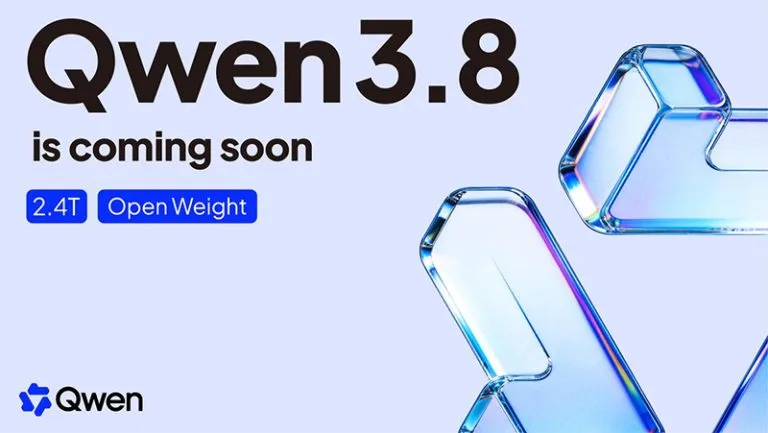
Alibaba Unveils 2.4 Trillion Parameter AI Model Qwen3.8 with Multimodal Capabilities
July 19, 2026
Microsoft announced notable changes in the leadership of its gaming division, Microsoft Gaming, marking a significant transition for the company’s Xbox and broader gaming strategies. This shakeup coincides with the departure of two key executives: Phil Spencer, the head of Xbox, and Sara Bond, the former president of Xbox.
The information was confirmed in an official blog post by Satya Nadella, CEO of Microsoft. Nadella detailed the reorganization, emphasizing the introduction of a new leader with a strong background in artificial intelligence to guide the gaming division.
The new head of Microsoft Gaming brings a specialized expertise in AI, signaling a potential shift in the company’s approach to gaming experiences and technology integration. While specific details regarding the new CEO’s identity and background were not disclosed, Nadella’s communication highlights the strategic importance of AI in the future of gaming at Microsoft.
The departure of Phil Spencer marks the end of an era; Spencer has been central to Xbox’s expansion and competitive position in the gaming market. Sara Bond’s exit follows closely, removing another influential voice within Microsoft’s gaming leadership. These changes suggest a reshaping of priorities and a possible redefinition of the division’s objectives moving forward.
Microsoft’s gaming initiatives have long been a core component of its entertainment and technology ecosystem, with Xbox consoles, cloud gaming, and game development studios forming key pillars. The appointment of an AI specialist to lead Microsoft Gaming may indicate increased investment in innovative technologies, potentially enhancing user experiences through machine learning, procedural content generation, or advanced player engagement tools.
This leadership turnover comes at a time when the gaming industry is rapidly evolving, with artificial intelligence playing a growing role in game development and player interaction. Microsoft’s move could place the company at the forefront of integrating AI-driven advancements into mainstream gaming.
Details about the new executive’s plan or Microsoft Gaming’s strategic direction have yet to be announced. Stakeholders and industry observers will be watching closely to see how this leadership change impacts Microsoft’s competitive stance and innovation pipeline in the gaming space.
Overall, Microsoft Gaming’s leadership revamp reflects a broader industry trend of technology convergence, where AI expertise increasingly informs the future of gaming platforms and content delivery.
Microsoft Gaming sees major leadership changes as longtime executives depart and an AI expert steps in to lead the division.