Advancements in CFET Technology Promise Faster, Smaller, and More Reliable Semiconductor Transistors
July 21, 2026

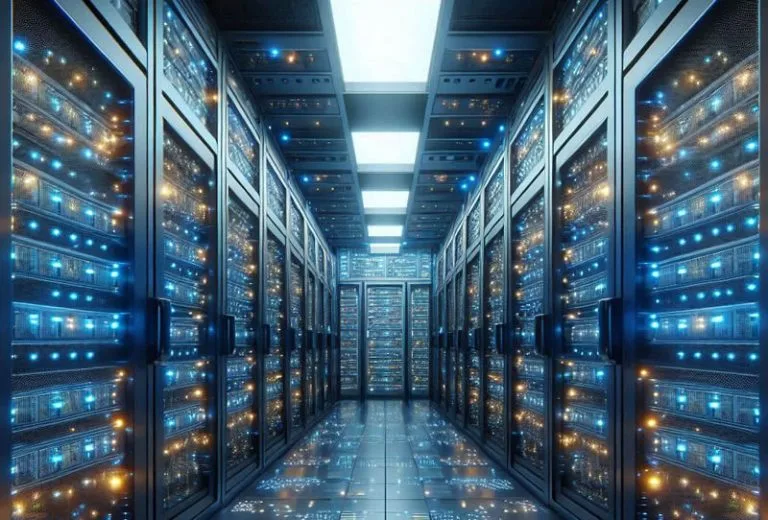
Microsoft is pursuing a breakthrough approach to building data centers by harnessing high-temperature superconducting materials. These materials, which conduct electricity with zero resistance, hold the potential to revolutionize power and cooling requirements in large-scale computing facilities.
The technology behind superconductors has traditionally required extremely low temperatures, making them impractical for common applications. However, the emergence of relatively affordable high-temperature superconductors is generating new opportunities to rethink how data centers are designed and operated.
Microsoft is considering the integration of these advanced conductive materials to replace conventional copper wiring and cooling systems. Zero electrical resistance means significantly reduced power losses during transmission. This could enable data centers that are both more energy-efficient and considerably smaller in scale, given the compact nature of superconducting components.
The company envisions that the widespread adoption of high-temperature superconductors will mark a turning point in computing infrastructure, enabling the construction of next-generation data centers with enhanced performance metrics and scalability. Such innovation may also contribute to broader sustainability goals by lowering energy consumption and operational costs.
This move aligns with industry trends aimed at optimizing the physical and energy footprints of data centers amid growing global demand for cloud services, artificial intelligence workloads, and high-performance computing.
While specific details regarding Microsoft’s implementation plans and timeline have not been disclosed, the focus on superconducting materials underscores the company’s commitment to advancing foundational hardware technologies that support the future of digital computing.
Microsoft is investigating high-temperature superconductors to create more efficient and compact data center infrastructure.