Images Surface of Xiaomi’s Upcoming Wide-Format Foldable Smartphone
July 20, 2026
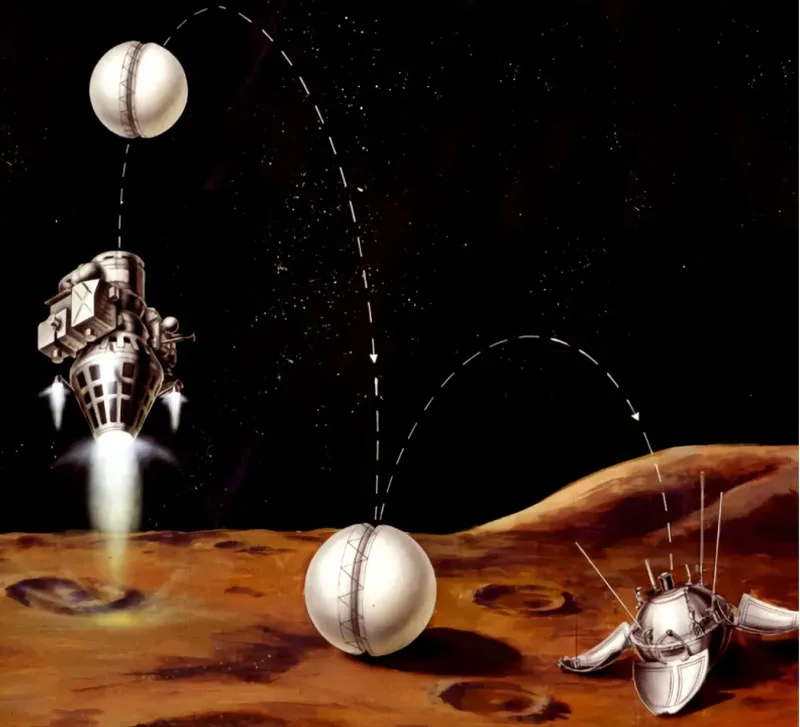
On February 3, 1966, the Soviet Union’s Luna 9 spacecraft achieved a landmark milestone by completing the first ever soft landing on the Moon, safely touching down on the lunar surface and transmitting the first close-up images of the Moon’s terrain back to Earth. This achievement followed multiple failed attempts by Soviet probes to land successfully on the Moon.
Launched just days earlier on January 31, 1966, Luna 9 was part of the intense space race between the USSR and the United States, marking a critical step forward in robotic planetary exploration. The spacecraft’s successful landing demonstrated the feasibility of controlled descents on extraterrestrial bodies, paving the way for subsequent missions.
Decades after Luna 9 sent its groundbreaking data, scientists and space researchers have renewed efforts to pinpoint the exact location of the spacecraft on the Moon. Given the era’s limited tracking technology and changes to lunar mapping over the years, locating Luna 9 has become an intriguing challenge for modern lunar exploration teams.
Recovering or identifying the spacecraft’s position holds scientific and historical value, providing a tangible link to one of humanity’s earliest robotic visitors beyond Earth. Such findings could help improve our understanding of lunar terrain and the spacecraft’s conditions after more than half a century on the Moon.
Current lunar orbiters equipped with advanced imaging technology offer an opportunity to scan the landing site and surrounding regions with greater precision than was previously possible. These efforts come as part of a broader international interest in returning to the Moon and exploring preserved artifacts of early space exploration history.
Though Luna 9’s mission was brief, the photographs and data it relayed marked a seminal moment. They gave humanity its first direct glance at the lunar surface, dispelling many unknowns about its texture and navigability. This information proved invaluable for planning later crewed and robotic missions.
The pursuit to rediscover Luna 9 aligns with a growing focus on utilizing historical datasets and legacy spacecraft remains in advancing contemporary space science. As exploration technologies evolve, the ability to revisit and study past missions from orbit can yield insights into spacecraft durability and the lunar environment over extended periods.
Ultimately, the renewed search for Luna 9 reiterates the enduring significance of the Soviet Union’s early lunar achievements in the history of space exploration. It also highlights the lasting legacy of pioneering robotic missions in expanding human presence beyond Earth and enhancing our knowledge of nearby worlds.
Sixty years after Luna 9’s historic soft landing on the Moon, researchers are attempting to relocate the spacecraft on the lunar surface.