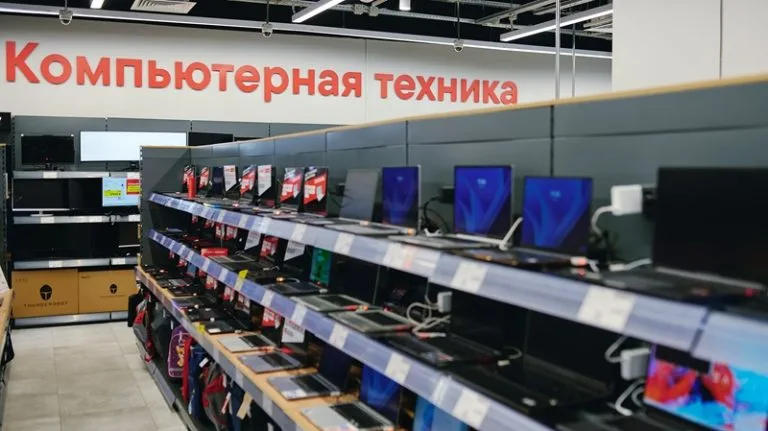
Popular PC Components in Russia Highlight Nvidia RTX 50 Series and 1TB NVMe SSDs
July 21, 2026
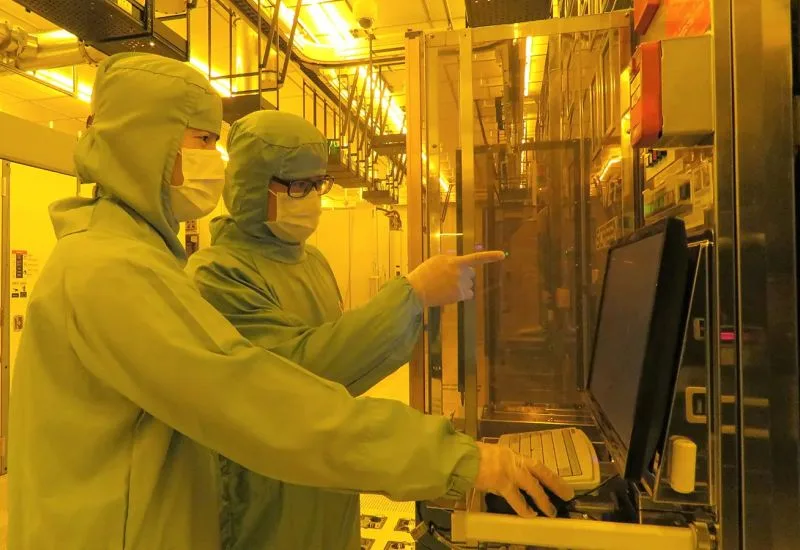
The recent escalation of conflict in the Middle East has raised concerns over potential disruptions in the global semiconductor supply chain. Key raw materials and energy sources essential for chip fabrication are at risk due to the ongoing hostilities in the region.
<pHelium, a critical component in semiconductor manufacturing, is predominantly sourced from Qatar. The turmoil has resulted in a blockade of helium shipments, threatening the availability of this noble gas worldwide. Helium plays a vital role in cooling systems for chip production, making its steady supply crucial for continuous manufacturing operations.
Beyond helium, the semiconductor industry also depends heavily on bromine, a chemical used in the etching and cleaning of silicon wafers. Experts from Taiwan indicate that bromine supplies are directly linked to the Middle East, further adding to the region’s strategic importance for global chipmakers.
Energy resources from the region are equally significant. Asian semiconductor manufacturers rely on stable imports of fuel and electricity generated from Middle Eastern sources to maintain production. Interruptions in energy deliveries could result in a cascading effect, impeding the large-scale fabrication of advanced integrated circuits.
With the semiconductor sector already facing challenges from rising demand and geopolitical trade tensions, the current disruptions in raw material and energy supplies could exacerbate shortages and delay technological advancements across multiple industries worldwide. The interconnected reliance highlights the vulnerability of manufacturing hubs to geopolitical instability, emphasizing the need for diversified supply chains and resource management strategies.
Industry representatives and governments are closely monitoring the situation, though specific measures or alternative sourcing plans have yet to be announced. The ongoing conflict underscores how regional events can influence critical global technology sectors, particularly those requiring specialized and scarce materials.
As semiconductor production remains a foundational pillar for modern electronics, advancements in computing, telecommunications, and consumer devices could feel the ripple effects of these supply interruptions if the conflict persists or escalates further.
Ongoing instability in the Middle East risks shortages of helium, bromine, and energy crucial for chip production, impacting the global semiconductor supply chain.