Memory Chip Makers Face Potential DRAM Oversupply by 2028 Amid Massive Capacity Expansions
July 20, 2026
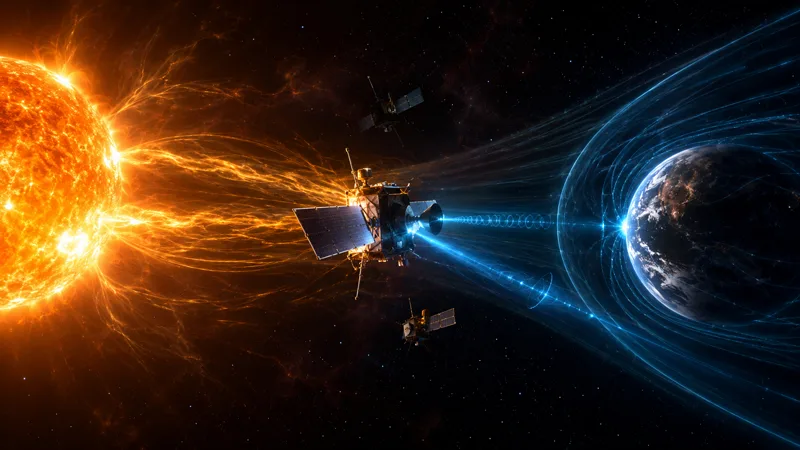
The National Oceanic and Atmospheric Administration (NOAA) has announced upcoming changes to how it collects and disseminates real-time data on solar wind parameters. These adjustments are set to take effect within the next one to two months and will influence the procedures used by international space weather monitoring centers.
Solar wind data serve as a critical resource for tracking solar activity, monitoring potential disruptions in space weather, and supporting various scientific and operational applications worldwide. NOAA’s datasets are often the primary, and in some cases the sole, source of this information for many global centers involved in space weather surveillance.
With this update, NOAA intends to modify both the collection sequence and the protocols related to the operational solar wind parameters, potentially altering the cadence and format in which the data is gathered and shared. Although detailed technical specifics about the new procedures were not fully disclosed, the changes aim to improve the reliability, timeliness, and overall quality of the solar wind datasets.
Space weather monitoring relies heavily on accurate solar wind measurements to predict geomagnetic storms, which can affect satellite operations, power grids, and communication systems on Earth. As solar activity continues to pose challenges, especially during periods of heightened activity, enhancing data protocols is essential for maintaining robust monitoring capabilities.
International centers tracking space weather phenomena will need to adjust their systems and workflows accordingly to accommodate the updated NOAA data stream. Coordination and communication among these centers are expected to ensure a smooth transition and continued access to essential solar wind metrics.
The adjustment in NOAA’s data procedures represents a significant evolution in the collection and distribution of space environment information, underscoring the agency’s commitment to advancing scientific observation in the domain of solar and atmospheric sciences.
The forthcoming changes reflect the continuous development of methodologies in the realm of environmental monitoring and space science, aiming to support a growing range of applications from scientific research to the protection of technological infrastructure impacted by solar phenomena.
NOAA is revising its methods for collecting and sharing solar wind parameters, impacting global space weather monitoring centers.