Memory Chip Makers Face Potential DRAM Oversupply by 2028 Amid Massive Capacity Expansions
July 20, 2026
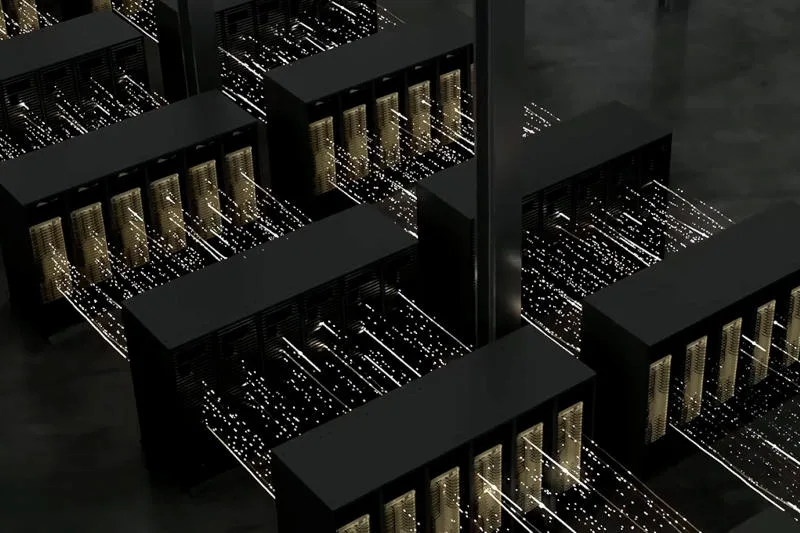
Nvidia has unveiled that its latest AI accelerator architecture, Blackwell, has achieved a substantial reduction in the cost of performing neural network inference. According to the company, deploying AI systems with Blackwell-based accelerators can lower inference expenses by a factor of four to ten compared to earlier solutions.
While the new generation of AI hardware played a crucial role in enhancing efficiency, Nvidia emphasizes that these impressive cost savings are not attributed to hardware advances alone. The notable reduction in inference costs also stems from integrated improvements in supporting software and system-level optimizations.
Neural network inference—the process of running trained AI models to perform tasks such as image recognition, language translation, or recommendation services—often demands significant computational resources. Lowering the expenditure of these operations is a key factor in making AI technology more accessible for a broad spectrum of applications and industries.
Blackwell architecture represents Nvidia’s continued evolution in AI computing, aiming to deliver powerful performance alongside better energy and cost efficiency. By addressing both the hardware capabilities and the corresponding software stack, the platform can maximize throughput while minimizing operational costs.
The exact technical specifications, pricing, and availability details for the Blackwell-based accelerators were not disclosed. However, Nvidia’s announcement signals a notable milestone in AI hardware innovation, capturing the growing demand for faster and more affordable AI inference solutions.
This development may have significant implications for cloud service providers, enterprises running large-scale AI workloads, and developers seeking to deploy more cost-effective machine learning applications.
Nvidia reports that the Blackwell AI architecture has cut neural network inference costs by up to 10 times, leveraging both hardware and software advancements.