App Store Sees Surge in New Apps Amid Growth of No-Code Platforms in Early 2026
July 21, 2026
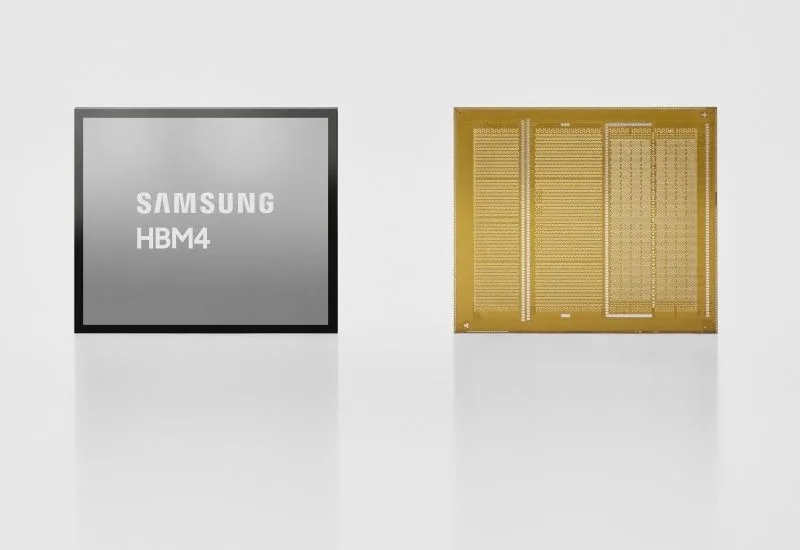
Nvidia is adjusting its approach to high-bandwidth memory (HBM4) requirements to avoid potential shortages in component availability. The semiconductor company, initially pushing suppliers for memory chips that exceed JEDEC standard speed benchmarks to maximize the performance of its Vera Rubin GPU accelerators, is now signaling a willingness to relax these stringent speed criteria.
Manufacturers producing HBM4 memory have not publicly emphasized that their products can operate at frequencies beyond JEDEC’s specified levels. Nvidia’s initial demand for faster memory was geared toward extracting peak computing speeds from its latest accelerator technology, reflecting the growing appetite for higher bandwidth in advanced graphics and AI applications.
However, ensuring a steady supply of HBM4 has proven challenging under these rigorous speed expectations. In response, Nvidia appears ready to lower the speed requirements it places on its memory suppliers. This strategic shift aims to preserve manufacturing continuity while mitigating the risk of shortages within the supply chain that could disrupt production timelines.
The decision underscores the logistical complexities in semiconductor memory manufacturing, where pushing for cutting-edge performance can sometimes conflict with production scalability. By adjusting the speed threshold, Nvidia is balancing the demand for high performance with the practical necessity of supply security, a critical factor in the competitive landscape of advanced GPU development.
No further details have been disclosed regarding the extent of the speed reductions or how this might impact the final performance specifications of Nvidia’s upcoming products. Nonetheless, this move highlights the ongoing challenges faced by major technology companies in navigating supply chain constraints while maintaining innovation trajectories.
Nvidia lowers HBM4 memory speed demands to ensure stable supply amid challenges meeting JEDEC standard performance.