
Oracle’s Debt Challenges Threaten AI Data Center Project for OpenAI
July 21, 2026
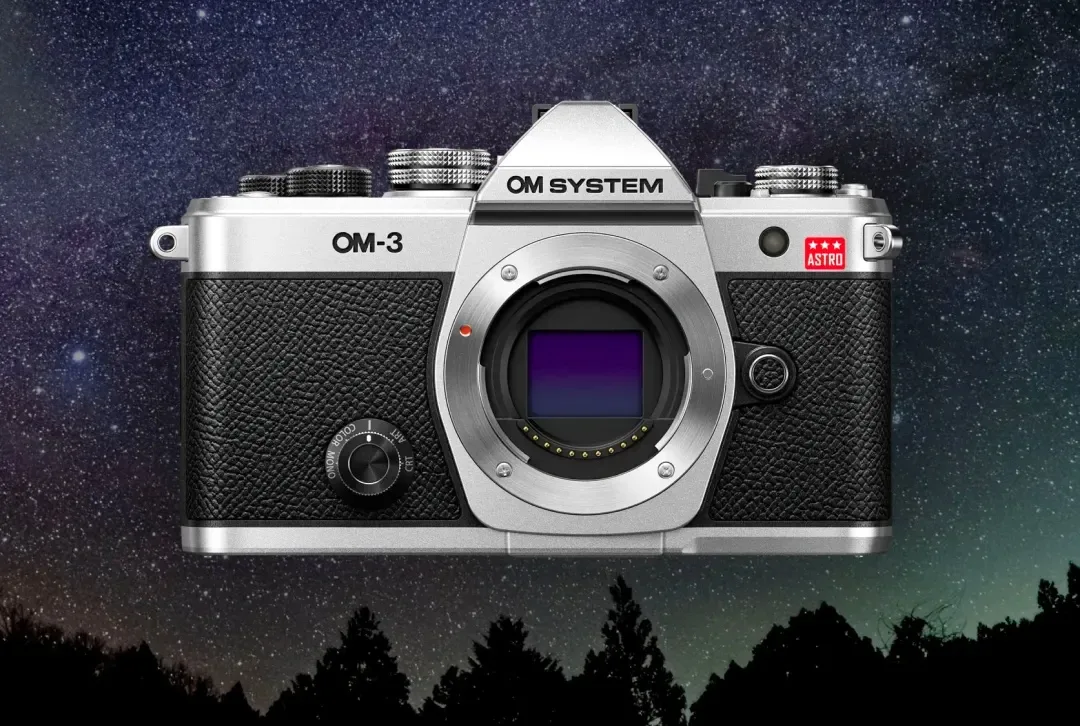
OM System, the successor to Olympus in the camera industry, has announced a new variant of its OM-3 mirrorless camera tailored for astrophotography enthusiasts. The new model, dubbed the OM-3 Astro, incorporates several hardware modifications aimed at enhancing the capture of celestial objects, especially those featuring red nebulae.
Released approximately one year after the original OM-3, the OM-3 Astro builds upon its predecessor’s capabilities but places particular emphasis on improving the camera’s sensitivity to colors emitted by red nebulous formations. These deep-sky objects are among the favorite subjects for astrophotographers, who require accurate color reproduction and heightened detail in low-light conditions.
While both the standard OM-3 model and the OM-3 Astro support night sky photography, the Astro edition includes specific hardware changes that intensify the color representation of red nebulae, setting it apart from typical mirrorless cameras available on the market.
The introduction of the OM-3 Astro reflects OM System’s commitment to addressing the needs of a niche yet growing community of astrophotography enthusiasts, who often demand equipment capable of exceptional performance under challenging lighting conditions.
The OM-3 Astro is expected to be available starting in March 2026. It will carry a price tag of approximately $2,500, marking a $500 premium compared to the original OM-3 model. Details regarding additional specifications and broader availability have yet to be detailed by OM System.
This launch adds a focused option for photographers seeking an accessible entry point into astrophotography without sacrificing the compactness and flexibility associated with mirrorless cameras.
OM System introduces the OM-3 Astro, a new mirrorless camera variant designed with hardware improvements for capturing vibrant red nebulae.