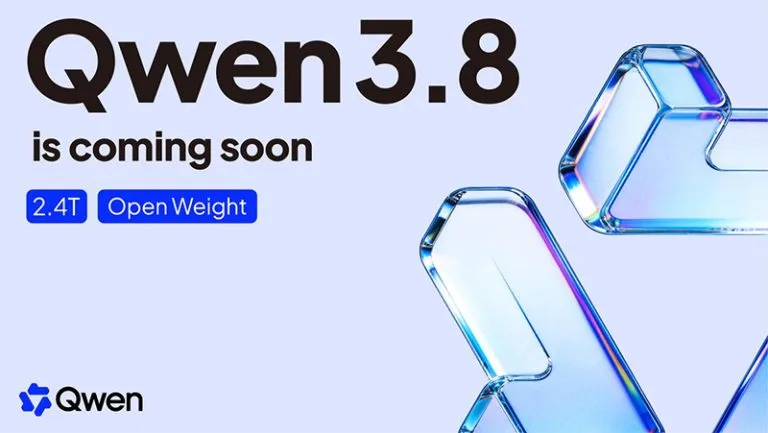
Alibaba Unveils 2.4 Trillion Parameter AI Model Qwen3.8 with Multimodal Capabilities
July 19, 2026

OpenAI has introduced changes to its user agreement for ChatGPT in the United States, detailing new protocols for the processing, storage, and transmission of personal data belonging to tens of millions of users. These adjustments were quietly published on OpenAI’s official website at the end of April, reflecting a shift in the company’s approach to user data management and platform monetization.
The updated terms outline how OpenAI now manages the wealth of user information generated through interactions with ChatGPT. While specifics on data retention periods and security measures were not broadly disclosed, the agreement clarifies the scope of data usage with an apparent emphasis on transparency.
Notably, OpenAI has designated ChatGPT as not just a conversational AI tool but also a platform with advertising capabilities. This marks a significant development, signaling that personalized or targeted advertisements could become an integral aspect of the ChatGPT experience moving forward. The inclusion of advertising was neither heavily promoted nor heralded but indicated in the revised user terms, suggesting a new revenue stream for OpenAI leveraging the extensive user base.
The shift in data usage policies aligns with broader industry trends where AI platforms seek sustainable business models beyond subscription fees and paywalls. By integrating advertising into ChatGPT, OpenAI positions itself alongside other digital service providers that utilize user data to tailor promotional content.
Despite the introduction of ads, the company maintains that user privacy remains a priority, though it acknowledges that data collected may support advertising efforts. This dual focus on functionality and monetization underscores the evolving nature of AI-driven platforms as they balance innovation with commercial viability.
As data privacy continues to be a pivotal concern for users and regulators alike, OpenAI’s revised terms may prompt further scrutiny regarding compliance with privacy laws and expectations for transparent user control over personal information.
The revised agreement currently applies to ChatGPT users based in the United States, with no immediate word on how or if these changes will roll out internationally. OpenAI’s decision to implement these updates with minimal fanfare suggests a cautious approach to navigating the complexities of privacy regulation and user trust in its flagship AI product.
For now, ChatGPT remains a widely used conversational agent capable of diverse applications, but its evolving role as a platform that incorporates advertising indicates a new chapter in AI user engagement and business strategy.
OpenAI revises ChatGPT’s user data rules in the US, detailing handling and introducing advertising functions on the platform.