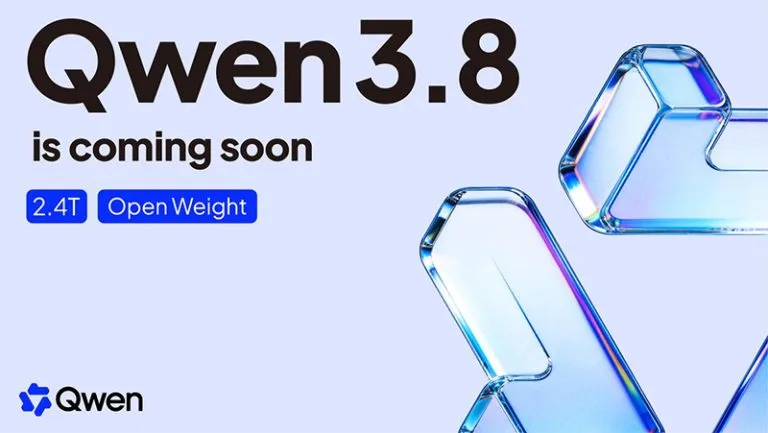
Alibaba Unveils 2.4 Trillion Parameter AI Model Qwen3.8 with Multimodal Capabilities
July 19, 2026
OpenAI has transformed its Codex platform beyond its original role as a programmer’s tool into a comprehensive AI agent designed to enhance productivity across various workplace applications. This latest update allows ChatGPT users to connect Codex with commonly used software, including Slack, Google Drive, email, and calendar services, facilitating automation of routine tasks.
Codenamed initially as a competitor to Anthropic’s Claude Code, Codex’s evolution marks a strategic move by OpenAI toward developing a superapp that integrates numerous daily business functions within a single intelligent framework. By linking with communication and productivity tools, Codex can proactively suggest ways to assist users, potentially reducing manual workload and increasing efficiency in office environments.
Originally launched to help developers write and understand code snippets more effectively, Codex has now been repurposed to serve a wider audience by extending its capabilities into everyday work activities. The integration with platforms like Slack and Google Drive allows users to automate scheduling, file management, and email handling without switching between multiple apps.
This update leverages Codex’s natural language processing and task automation skills, enabling it to offer contextual assistance based on the user’s current workflow. For example, it might draft responses to emails, organize calendar events, or manage files stored in cloud drives by interpreting user commands and intent.
OpenAI’s approach signals a broader industry trend toward embedding AI more deeply into work ecosystems, aiming to streamline operations and minimize repetitive manual input. The capability for Codex to self-suggest task automations could also help users discover new efficiencies they might otherwise overlook.
While details about pricing, rollout timelines, or compatibility with other applications were not disclosed, the move demonstrates OpenAI’s commitment to expanding the practical utility of its AI models beyond creative and coding tasks, positioning Codex as a potentially integral tool in next-generation workplace productivity suites.
OpenAI’s expansion of Codex reflects ongoing efforts to integrate AI into everyday workflows, aligning with evolving demands for smarter, adaptable assistance in professional environments. As more enterprises seek automation solutions, AI agents like Codex may become central to managing communications, scheduling, and data organization tasks.
OpenAI has evolved Codex from a coding assistant into a broad AI agent that integrates with everyday apps to streamline workplace tasks.