App Store Sees Surge in New Apps Amid Growth of No-Code Platforms in Early 2026
July 21, 2026
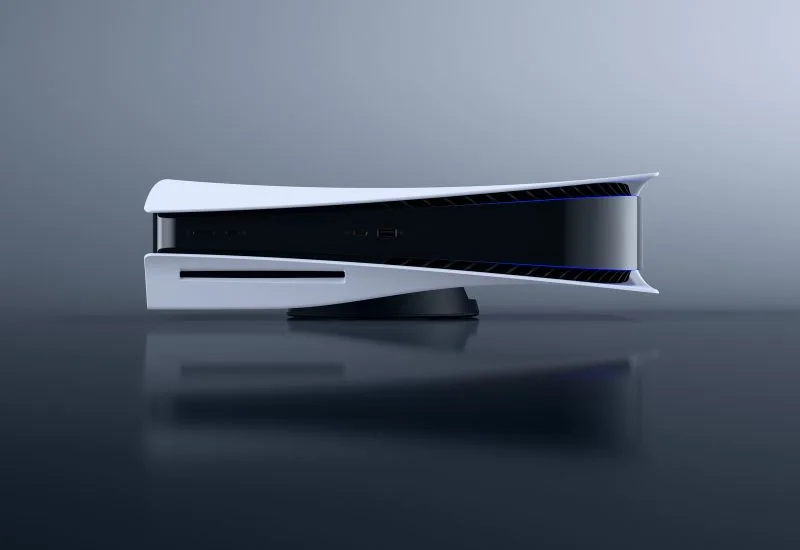
Sales of Sony’s PlayStation 5 have experienced a sharp decline, with the company revealing a 46% drop compared to the previous fiscal year. This decline translates to approximately 1.5 million units sold during the last fiscal quarter, marking a significant slowdown for the gaming console that is now in its sixth year on the market.
Despite being several years into its lifecycle, the PlayStation 5 has not seen a decrease in retail prices; in fact, some reports indicate pricing has increased. Sony attributes this unusual pricing trend and the slowdown in sales to an ongoing shortage of memory chips, a critical component for the console’s production.
The semiconductor supply issue continues to impact various sectors globally, and gaming hardware is no exception. For Sony, the limited availability of memory components has restricted their ability to manufacture consoles at the scale previously expected. Consequently, the production volume directly affects the number of units available for sale, which played a central role in the nearly halving of PS5 sales year-over-year.
Looking forward, Sony plans to closely monitor memory chip supply when determining production targets for the current fiscal year. This strategy highlights how hardware manufacturing remains vulnerable to fluctuations in supply chain dynamics, especially for high-demand products such as the PlayStation 5.
Industry observers note that shortages of key semiconductor components have persisted for several years, influenced by a complex interplay of increased global demand, geopolitical factors, and manufacturing bottlenecks. For Sony, the challenge lies in balancing production with the availability of essential parts, a factor that will likely shape the console market performance in the near term.
The PlayStation 5’s initial launch period saw exceptionally high demand, leading to supply shortages that lasted longer than usual for a new console generation. However, the recent downturn in sales underlines how supply limitations, rather than waning interest, remain the primary challenge for Sony’s flagship gaming device.
While no detailed forecast or pricing adjustments were disclosed, Sony’s acknowledgment of memory shortages as a causal factor suggests the company remains committed to navigating the constraints to stabilize production and meet consumer demand when possible.
Sony reports a 46% year-over-year decline in PlayStation 5 sales due to ongoing memory shortages affecting console production.