App Store Sees Surge in New Apps Amid Growth of No-Code Platforms in Early 2026
July 21, 2026
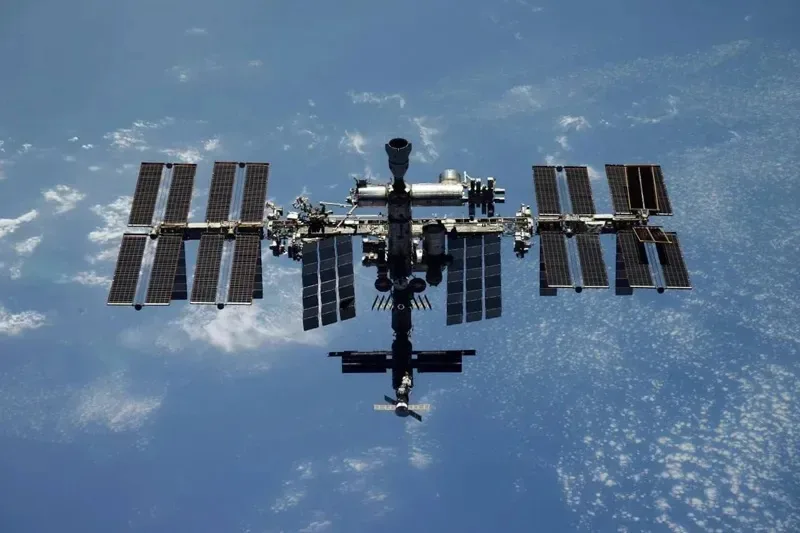
The Progress MS-33 cargo spacecraft, launched recently from the Baikonur Cosmodrome, encountered a technical problem involving an antenna after separating from its Soyuz-2.1a rocket stage. As a result, mission controllers have opted to execute a manual docking procedure with the International Space Station (ISS).
After a successful lift-off on Sunday, the spacecraft detached from the carrier rocket’s third stage and began its transit toward the orbiting laboratory. However, during the deployment phase of its onboard antennas, mission teams identified a malfunction with one of the antenna arrays, which failed to fully extend as expected.
NASA reported the anomaly and confirmed ongoing efforts by Russian specialists from Roscosmos to resolve the issue. Despite attempts to rectify the antenna deployment remotely, the situation led to the decision to initiate a manual docking process, diverging from the autonomous approach typically employed during cargo ship arrivals at the ISS.
Manual docking of automated cargo spacecraft is a rare but critical capability preserved in operational protocols to ensure mission continuity in the event of technical difficulties. The Progress MS-33’s command crew will rely on manual controls to guide the spacecraft into position and complete the docking with the station securely.
The Progress series serves as a vital supply line to the ISS, transporting essential cargo such as scientific equipment, food, and fuel. Ensuring the successful attachment of Progress MS-33 under these challenging conditions remains a priority to maintain ongoing operations aboard the space station.
Further updates from Roscosmos and NASA will follow as the docking operation progresses and the team monitors the spacecraft’s status. The incident underscores the complexities inherent in spaceflight and the importance of retaining manual override capabilities in automated systems.
The Progress MS-33 cargo spacecraft will dock manually with the ISS after an antenna deployment malfunction was detected post-launch.