
Microsoft Develops Project Perception to Enhance AI-Driven Cybersecurity
July 19, 2026
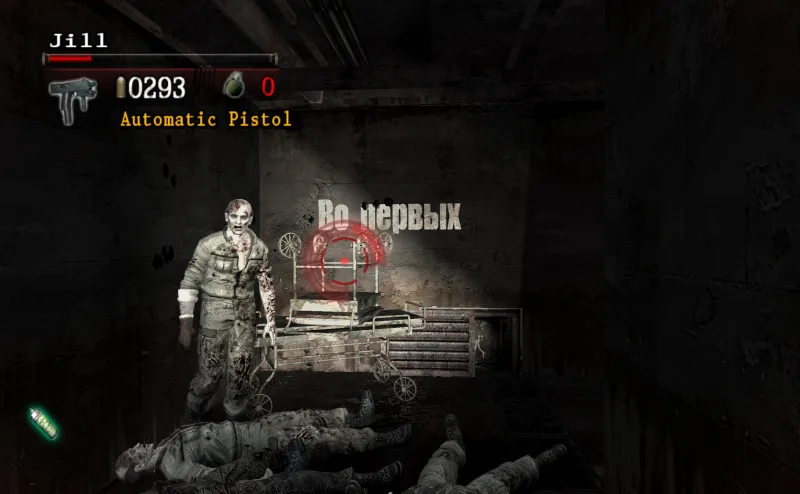
As the Resident Evil series marks its 30th anniversary, a comprehensive look back reveals a complex journey from pioneering survival horror to periods of fan disillusionment and ongoing corporate efforts to restore the franchise’s former glory. This retrospective examines the pivotal moments that shaped Resident Evil’s trajectory, the challenges Capcom faced in maintaining fan enthusiasm, and the significance of the recent Requiem installment within the broader series context.
Initially celebrated for revolutionizing survival horror gaming with its atmospheric tension and innovative gameplay, Resident Evil quickly became a flagship franchise for Capcom. However, over time, segments of the fan base expressed growing dissatisfaction, citing shifts in gameplay style, narrative direction, and overall tone. These concerns led to a waning trust in the series, prompting Capcom to seek strategies to reconnect with longtime supporters and attract new audiences.
Capcom’s attempts to revitalize Resident Evil have taken various forms, including gameplay redesigns, narrative recalibrations, and reboots intended to recapture the original spirit that endeared the series to players worldwide. These efforts illustrate the company’s recognition of the delicate balance between innovation and preservation of core franchise elements that underpin fan loyalty.
The launch of Resident Evil: Requiem stands as a notable milestone in this ongoing process. Positioned as part of the series’ broader narrative framework, Requiem represents an approach aimed at reinvigorating the storyline while aligning with player expectations shaped by past entries. Its release underscores Capcom’s commitment to bridging the gap between new content and the legacy that long-time fans cherish.
Throughout these developments, Resident Evil’s influence on gaming culture remains significant. The franchise has not only contributed to defining survival horror as a genre but also navigated the complexities of evolving market demands and audience tastes in an increasingly competitive industry environment.
Looking back on three decades of Resident Evil, it is evident that the series’ history is characterized by both groundbreaking achievements and considerable hurdles. The ongoing dialogue between Capcom and the community highlights the challenges associated with sustaining a major game franchise over time, showcasing the importance of adaptability and responsiveness to fan sentiment.
As the gaming landscape continues to evolve, Resident Evil’s future will likely depend on the ability to innovate while respecting the elemental qualities that have defined it since its inception. The franchise’s 30-year retrospective offers valuable insights into the dynamics of game development, fandom, and the enduring appeal of horror themes in interactive entertainment.
A retrospective on Resident Evil’s legacy reveals fan disillusionment and Capcom’s efforts to regain trust, highlighting the impact of the Requiem release.