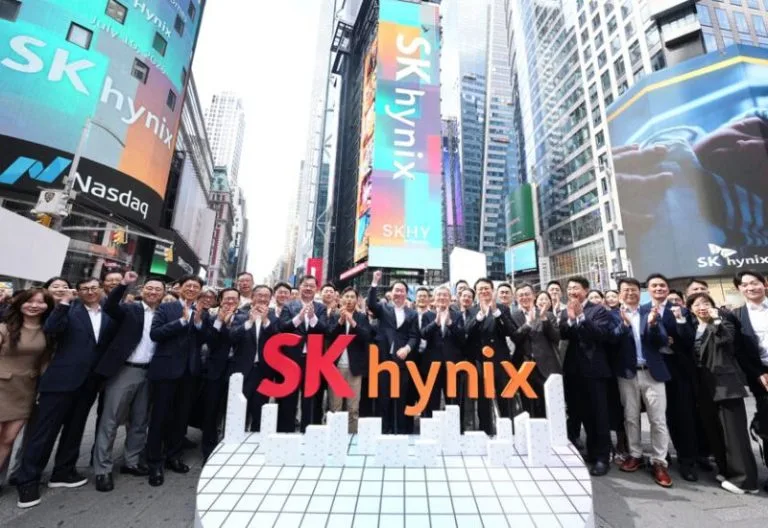
Memory Chip Makers Face Potential DRAM Oversupply by 2028 Amid Massive Capacity Expansions
July 20, 2026
Major technology firms are ramping up their spending on artificial intelligence (AI) tokens, responding to rapidly increasing demand that has had notable financial impacts even on industry leaders like Microsoft and Uber. These companies are investing millions in token usage to fuel AI systems, despite uncertainties surrounding the ultimate return on such investments.
AI tokens serve as the operational currency underlying various AI platforms and applications, facilitating access to complex machine learning models and computational resources. As AI capabilities expand and integrate into more aspects of business and consumer services, the consumption of tokens has surged accordingly.
Organizations are finding that the costs associated with securing sufficient AI tokens to sustain and scale their AI-driven offerings are rising swiftly. This inflation reflects both the explosive adoption of AI technologies across sectors and the growing sophistication of AI systems requiring ever more computational power.
Microsoft, a leading player in the AI space with its extensive cloud and AI services, has experienced significant spikes in token expenses as it supports a broad range of AI applications. Similarly, Uber has encountered rising costs for AI tokens as it develops and deploys increasingly advanced algorithms for ride matching, autonomous vehicle research, and other AI-enhanced services.
Despite the sizable outlays, many companies remain uncertain whether the financial inputs will translate into sustainable profitability. The token economy linked to AI is still emerging and evolving, with fluctuating pricing models and unpredictable consumption patterns making it difficult to forecast long-term expense management.
The rapid pace of AI innovation means companies must often commit resources ahead of clear revenue outcomes, underscoring a strategic gamble. Executives and financial officers are tasked with weighing the potential competitive advantages of early and extensive AI adoption against the risk of escalating operational costs.
This dynamic has sparked ongoing discussions within the industry about optimizing token utilization, exploring alternative AI infrastructure models, and advocating for more transparent pricing mechanisms from token providers. The overarching goal is to find a sustainable pathway that supports robust AI development without compromising financial feasibility.
Looking ahead, the trajectory of AI token demand and the accompanying cost structures will be critical factors determining how tech companies allocate budgets and prioritize AI initiatives. As AI integration becomes ever more central to business innovation, companies will need to adapt to the evolving economics of token-based AI ecosystems.
Tech giants are investing heavily in AI token usage as demand surges, yet many remain unsure about the long-term profitability of these expenditures.