Russian Company Launches Second Batch of Satellites for Domestic Starlink Alternative
July 20, 2026
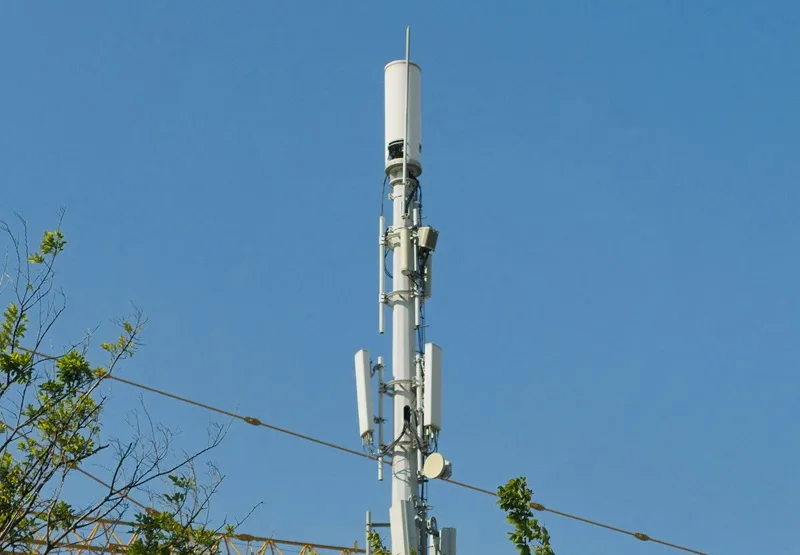
At the end of September 2025, the number of fourth-generation Long-Term Evolution (LTE) base stations in Russia reached 479, marking a 16% increase compared to the previous year, according to data released by the Ministry of Digital Development and reported by Russian media outlets.
The expansion of LTE infrastructure reflects a clear trend in Russia’s telecommunications landscape, with operators focusing on enhancing mobile broadband capabilities. Meanwhile, the presence of 3G base stations is diminishing, indicating a gradual phase-out of older network technology as consumer demand for faster and more reliable connections grows.
Regions exhibiting the most significant growth in LTE infrastructure include Stavropol and Krasnodar territories, the Republic of Tatarstan, Moscow, and the Samara region. These areas have been leading the country’s efforts in upgrading their mobile network infrastructure to accommodate increasing data traffic and support enhanced connectivity for both urban and rural populations.
The telecommunications sector in Russia continues to align with global trends favoring advanced mobile technologies that enable higher speeds and improved network efficiency. The steady rise in LTE base stations is expected to facilitate better service quality, expanded coverage, and support for emerging applications requiring robust mobile internet access.
Although detailed figures on the reduction of 3G base stations were not specified, the overall decline in these older stations underscores the ongoing modernization of Russia’s mobile networks. This transition is part of a broader strategy to prioritize newer standards that deliver improved performance and better meet the demands of modern mobile users.
Analysts anticipate that the shift from 3G to LTE infrastructure will continue as operators invest in next-generation technologies to remain competitive and respond to evolving user expectations. This development may also pave the way for the introduction and expansion of 5G networks in the future, although specific plans and timelines have not been disclosed.
By late 2025, Russia expanded its LTE base stations by 16%, with notable growth in several regions as 3G infrastructure continued to shrink.