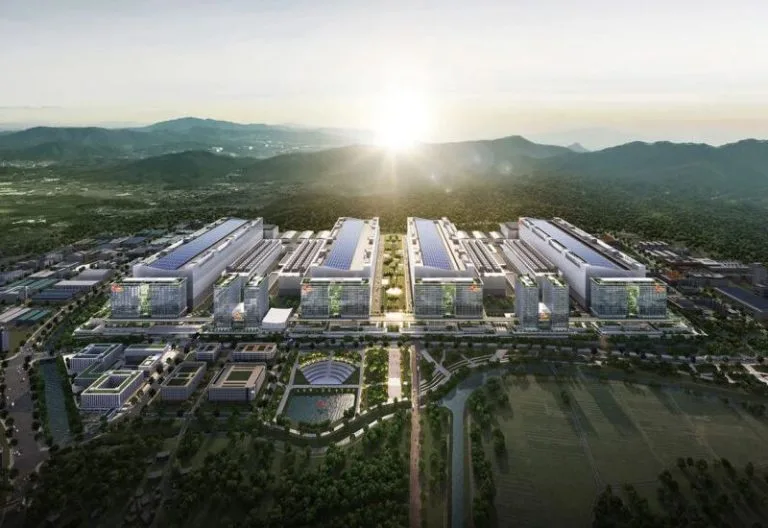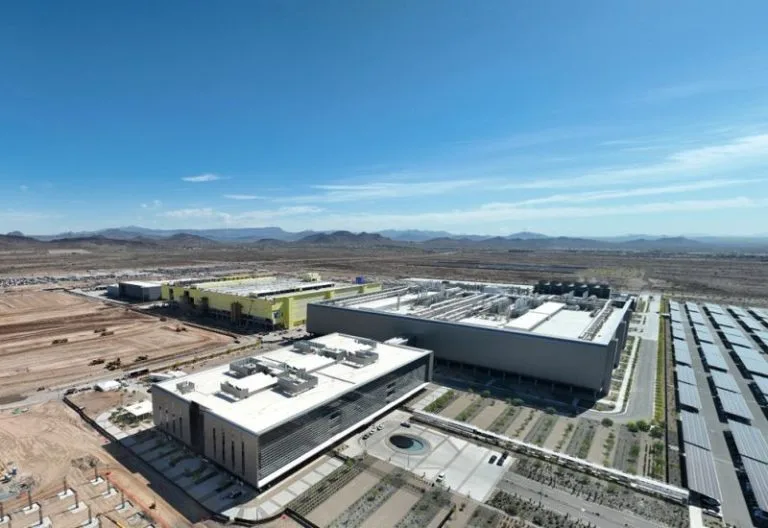
TSMC Plans $265 Billion Investment to Expand U.S. Chip Manufacturing Amid Rising Competition
July 20, 2026
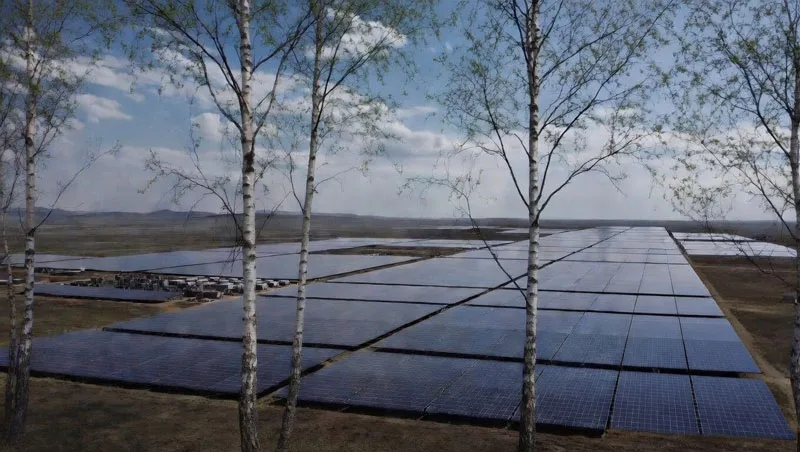
Last year, Russia’s solar energy sector experienced a modest increase with roughly 100 megawatts (MW) of new solar power capacity coming online. This addition brought the country’s total installed solar capacity to around 3.1 gigawatts (GW), according to data from the international consulting firm GlobalData.
While the addition of 100 MW marks progress for Russia’s solar infrastructure, it highlights a stark contrast when compared to China’s solar power development. China’s yearly solar capacity additions are exponentially larger—roughly 3,150 times greater than Russia’s incremental growth during the same period. This disparity underscores the diverging trajectories of solar energy deployment between the two nations.
Russia’s solar market remains small relative to global leaders, reflecting a slower nationwide transition towards renewable electricity sources. Factors influencing this include varying governmental policies, climate challenges, and different economic priorities.
Despite the current scale of deployment, analysts forecast a gradual increase in Russia’s solar energy capacity over the next decade. Projections indicate that the country will add about 200 MW of new solar generation annually. If maintained, this trend would bring total installed solar capacity to approximately 5.3 GW by the year 2035.
The forecasted steady but modest growth suggests a cautious approach towards solar infrastructure investment in Russia. In contrast, many countries with aggressive renewable energy targets are pursuing more rapid expansion to meet climate and energy security goals.
Solar power generation constitutes a fraction of Russia’s overall energy mix, which is still heavily reliant on fossil fuels and other energy sources. Expanding solar infrastructure could help diversify the energy supply and support environmental commitments, but the pace of implementation remains comparatively slow.
While Russia’s incremental solar capacity growth may support local energy needs and contribute to reducing carbon emissions, the gap between its current trajectory and the rapid development seen in leading solar markets is considerable. This divergence highlights the challenges and opportunities facing the Russian energy sector as it navigates future energy production and sustainability objectives.
Russia added approximately 100 MW of solar capacity last year, a pace vastly slower than China’s rapid expansion in solar energy infrastructure.