App Store Sees Surge in New Apps Amid Growth of No-Code Platforms in Early 2026
July 21, 2026
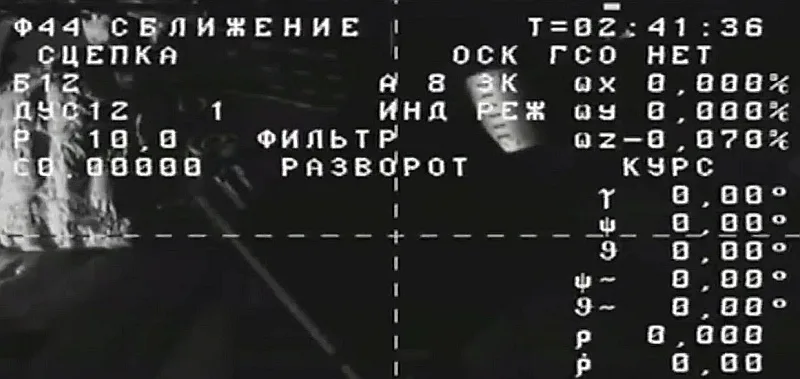
On March 22, the Progress MS-33 cargo spacecraft was launched from the Baikonur Cosmodrome atop a Soyuz-2.1a rocket, headed for the International Space Station (ISS). During deployment, a technical problem arose with one of the spacecraft’s antennas, which critically affected the docking procedure.
Due to the malfunction detected on the antenna, the autonomous docking system was compromised, necessitating manual control for docking operations. Russian cosmonaut Sergey Kud-Sverchkov, the commander aboard the ISS, took over the process and performed the docking maneuver manually.
This rare manual docking highlights the importance of human skill and training in space operations, especially when automated systems encounter issues. Kud-Sverchkov’s successful handling ensured that the Progress MS-33 was safely connected to the station, allowing for the transfer of supplies and equipment essential to ongoing missions.
The Progress series has been a workhorse for cargo delivery to the ISS, routinely transporting food, fuel, and scientific instruments. Despite advancements in automated docking technology, this incident serves as a reminder that manual intervention remains a crucial backup mechanism in spaceflight operations.
Details on the cause of the antenna failure and any subsequent investigations have not been disclosed. Meanwhile, the Progress MS-33 remains attached to the ISS, supporting station crew activities as planned.
Progress MS-33 cargo ship was manually docked to the ISS by Russian cosmonaut Sergey Kud-Sverchkov following an antenna malfunction.