Nvidia GPUs Can Report Individual GDDR6 and GDDR6X Memory Chip Temperatures, Enthusiasts Discover
July 19, 2026
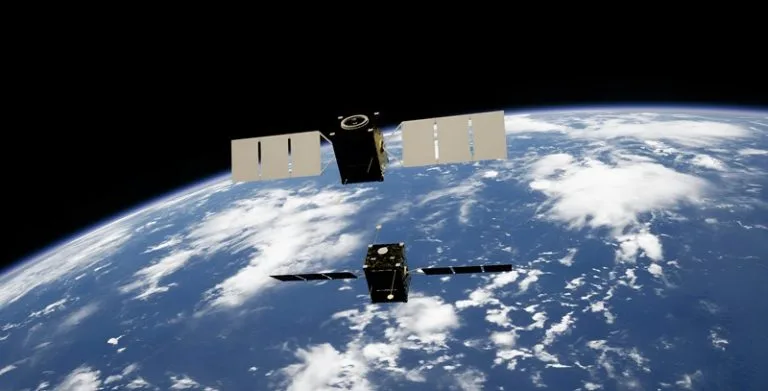
The ambitious Russian satellite broadband initiative, designed to provide wide coverage via a low Earth orbit (LEO) constellation, failed to launch its initial batch of 16 satellites last year. The project is managed by Bureau 1440, a subsidiary of ICS Holding. The deployment delay has pushed the launch schedule to 2026, highlighting ongoing challenges in satellite manufacturing and deployment.
Originally planned for 2025, the launch of the first set of LEO satellites intended to deliver high-speed internet across Russia and neighboring regions was rescheduled to 2026. The postponement came after the operator revealed that they could not produce the required number of satellites in time to meet the initial launch window.
Bureau 1440, the company behind this network, is part of ICS Holding and aims to replicate the capabilities seen in global efforts to connect underserved areas via satellite constellations. The delay means the operational broadband network will not begin deployment as soon as initially anticipated.
Efforts to mass-produce the satellites at the necessary scale have evidently encountered hurdles, impacting the project’s timeline. As satellite broadband demand continues to grow worldwide, the obstacle in manufacturing capacity has prevented progress toward building a Russian equivalent to established systems like Starlink.
The project’s satellite constellation intends to operate from low Earth orbit to enable better latency and expanded internet access across vast territories, potentially improving connectivity in rural and remote parts of the country.
In the broader context, this initiative enters a competitive global market where companies such as SpaceX with Starlink, OneWeb, and Amazon’s Project Kuiper are deploying large constellations to offer satellite internet. Russia’s endeavor aims to establish a domestic network to reduce reliance on foreign providers and improve national telecommunications infrastructure through space-based technology.
Looking ahead, attention will focus on whether Bureau 1440 can achieve satellite production targets for 2026 and how the rollout will progress once launches begin. Further updates from the operator and related agencies are expected as the new timeline unfolds.
Russia’s low Earth orbit satellite broadband project missed its 2025 launch window, with the operator now aiming for deployment in 2026.