Russian Mobile Carriers Implement New Price Increases Amid Rising Service Costs
July 24, 2026
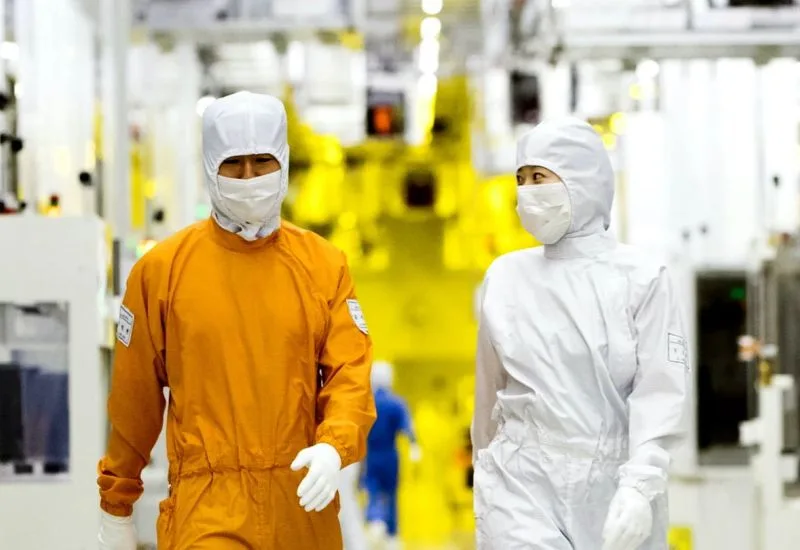
South Korea is currently experiencing a wave of labor strikes across various industries, triggered by a significant protest at Samsung Electronics. The strike involved employees engaged in the production of memory chips, a key sector within the country’s semiconductor industry.
In May, memory chip workers at Samsung Electronics organized a strike that resulted in remarkable financial gains. Workers secured bonuses exceeding $400,000 per person by the end of the year—a figure unprecedented within the South Korean labor market. This development set a new benchmark for employee compensation in the technology manufacturing sector.
The exceptional outcome at Samsung created a ripple effect beyond the company. Other professionals and workers across South Korea, who had not achieved comparable compensation improvements, began mobilizing to demand better wage agreements and working conditions. This sequence of actions has led to a surge of protests and strike activities nationwide.
The memory chip segment, particularly vital for global electronics and mobile devices, plays a significant role in South Korea’s economy. Samsung Electronics is among the world’s leading producers of these components, and labor disputes in this sector have broad implications for both the domestic economy and international supply chains.
While specific details regarding the concessions made by Samsung in response to the strike have not been fully disclosed, the resulting bonuses have clearly raised expectations among workers in competitive fields. Industry analysts are monitoring how these labor movements might influence corporate labor policies and negotiations in South Korea’s technology and manufacturing sectors going forward.
The wave of strikes points to growing labor assertiveness and signals a potential shift in employer-employee dynamics within a market historically known for its demanding work culture and limited labor leverage. It also reflects broader challenges and negotiations facing high-skilled workers in an era where semiconductor production is critical to national and global technology landscapes.
Efforts to resolve these labor disputes diplomatically remain ongoing, with industry watchers attentive to the potential impact on production schedules and the global technology supply chain. The situation underscores the importance of workforce relations in sustaining South Korea’s leadership in semiconductor manufacturing.
A strike by Samsung Electronics memory chip workers led to unprecedented bonuses, sparking widespread labor protests across South Korea.