Popular PC Components in Russia Highlight Nvidia RTX 50 Series and 1TB NVMe SSDs
July 21, 2026
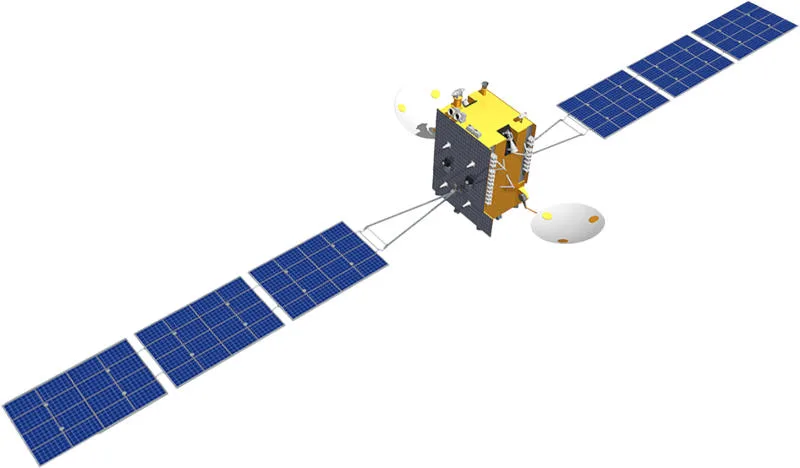
Satellite television services in Siberia have been restored following an interruption caused by the malfunction of the “Express-AT1” satellite. However, audiences located in Russia’s Far East continue to experience disruptions in their broadcast reception due to satellite adjustments affecting regional coverage.
Two leading satellite TV providers, NTV-Plus and Tricolor, took independent measures to remedy the outage that left many subscribers without service. NTV-Plus rerouted its transmission resources through the “Yamal-402” satellite, while Tricolor switched its broadcasts to the “ABS-2” satellite. These moves allowed both operators to rehabilitate satellite television availability across the Ural Mountains and Siberian territories.
Despite restoring service for many, these adjustments have required subscribers to undertake equipment changes. Viewers are now faced with the necessity to install new signal converters and perform software updates on their satellite receivers to maintain channel access. This technical transition period has introduced a degree of inconvenience for the affected users, reflecting the complexity and interdependence of satellite infrastructure.
Additionally, the “Express-AT2” satellite has been reoriented as part of the response measures, a move that has led to the discontinuation of NTV-Plus broadcasts within the Far East region of Russia. The reorientation effectively terminated satellite coverage over this geographic area, leaving customers there without access to their usual satellite TV services. The reasons behind selecting this specific satellite for reconfiguration have not been disclosed, nor have plans to restore service in the Far East been announced.
This series of satellite reallocations highlights the challenges satellite operators face when dealing with critical infrastructure failures, especially across vast and remote regions. The reliance on a limited number of geostationary satellites means that any single malfunction can have widespread consequences for broadcast delivery, impacting millions of subscribers.
Operators continue to assess their satellite fleets and routing strategies to minimize future disruptions. In the meantime, affected customers in the Far East will need to seek alternative TV service solutions or await further announcements regarding satellite network updates that could reinstate traditional satellite television offerings.
Satellite TV operators restore service in Siberia after satellite failure, but viewers in Russia’s Far East face disruptions due to satellite reorientation.