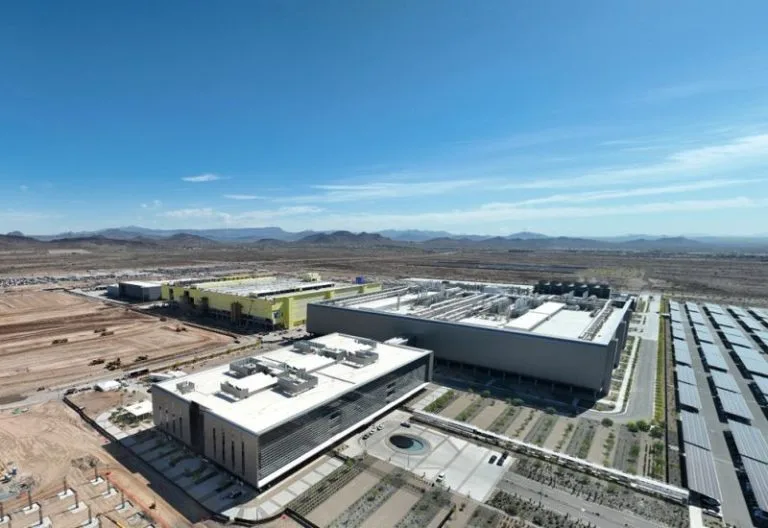
TSMC Plans $265 Billion Investment to Expand U.S. Chip Manufacturing Amid Rising Competition
July 20, 2026
Russian financial giant Sberbank is pursuing Chinese-produced processors for its flagship artificial intelligence initiative, Gigachat, in a strategic response to Western restrictions. The bank’s CEO, Herman Gref, disclosed this development during a televised interview coinciding with Russian President Vladimir Putin’s official visit to Beijing.
As Western sanctions tighten and limit Russia’s ability to procure advanced computing technology from foreign suppliers, Sberbank is turning to alternative sources to sustain its artificial intelligence ambitions. The bank’s interest in utilizing Chinese semiconductor technology represents a significant pivot as it faces mounting constraints on acquiring state-of-the-art chips internationally.
The announcement came within the context of high-level diplomatic engagements in Beijing, highlighting the growing cooperation between Russia and China in technology sectors. Sberbank is reportedly in line behind major Chinese tech conglomerates ByteDance and Alibaba, both of which are also seeking Chinese chips to bolster their AI capabilities.
The shift to Chinese processors is a notable move for Sberbank, which has been dedicated to advancing AI technologies like Gigachat, a key project in Russia’s broader digital transformation strategy. Given the challenges posed by sanctions, sourcing components domestically within China allows Sberbank to navigate supply chain disruptions and continue development without relying on Western-made hardware.
While specific details about the processors or terms of procurement have not been publicly revealed, this step underscores the strategic importance of semiconductor autonomy amid rising geopolitical tensions. It also aligns with broader trends where global tech players are exploring diversified supply chains in response to international trade and security dynamics.
The involvement of ByteDance and Alibaba, two technology leaders known for their AI investments and innovation, signals the growing market demand for advanced chips within China’s domestic tech ecosystem. Their positions ahead of Sberbank in the queue reflect the competitive environment for these critical components.
This collaboration between Russian and Chinese enterprises in the AI hardware domain may set a precedent for other technology projects facing similar obstacles due to sanctions. It demonstrates the shifting technological alliances and the increasing role of Chinese semiconductor manufacturing in supporting artificial intelligence advancements globally.
As the geopolitical landscape continues to shape the availability of key technologies, enterprises like Sberbank are adapting by aligning with partners who can provide access to necessary components. This strategy is expected to influence not only AI development but also the broader digitization efforts underway in Russia and allied markets.
Sberbank aims to deploy Chinese-made processors for its AI model Gigachat as Western sanctions limit access to foreign advanced tech.