Popular PC Components in Russia Highlight Nvidia RTX 50 Series and 1TB NVMe SSDs
July 21, 2026
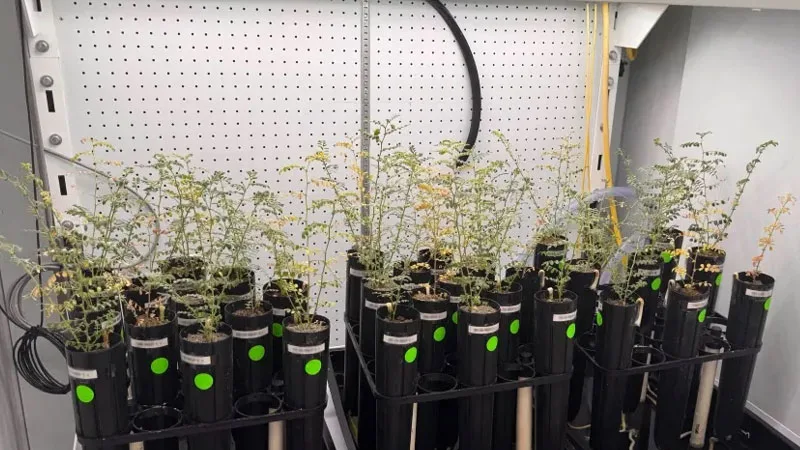
In a promising advancement for extraterrestrial farming, scientists have cultivated chickpeas using a simulated lunar soil mixture augmented with fertilizers. This experiment marks an important step toward enabling sustainable food production for future lunar colonies.
The challenge of ensuring reliable food supplies is central to human missions beyond Earth. While popularized in media through fictional portrayals like the potato farming scene in the movie “The Martian,” the broader issue encompasses various crops and soil conditions reflective of extraterrestrial environments. Cultivating crops in lunar regolith is a significant research focus addressing long-term human survival on the Moon.
Building on previous research centered on crop growth in off-Earth soils, researchers sought to test whether chickpeas, a nutritious legume, could thrive in a soil analogue mimicking lunar regolith. The mixture combined the lunar soil simulant with fertilizers to support plant growth in this harsh substrate. This approach aims to understand how terrestrial plants respond to the unique chemical and physical properties of lunar soil while identifying modifications necessary to support agriculture.
The results demonstrated successful germination and growth of chickpea plants, suggesting that legumes could be cultivated despite the challenging conditions presented by lunar regolith. However, as a precautionary measure, the researchers refrained from consuming the crops due to unknown safety factors related to growing plants in synthetic lunar soil environments.
This experiment contributes valuable insights into the potential for in-situ resource utilization (ISRU) strategies on the Moon, where transporting food supplies from Earth would be costly and impractical over extended missions. Cultivating food directly on the lunar surface can provide nourishment for astronauts, reduce mission costs, and support long-term habitation plans.
Such biological experiments are crucial in paving the way for future lunar bases and settlements, where agricultural self-sufficiency will be essential. Further research is expected to explore different crop varieties, soil amendments, and environmental conditions to optimize growth and nutritional safety.
Researchers demonstrate the potential of cultivating chickpeas in lunar soil simulants, advancing prospects for extraterrestrial food production.