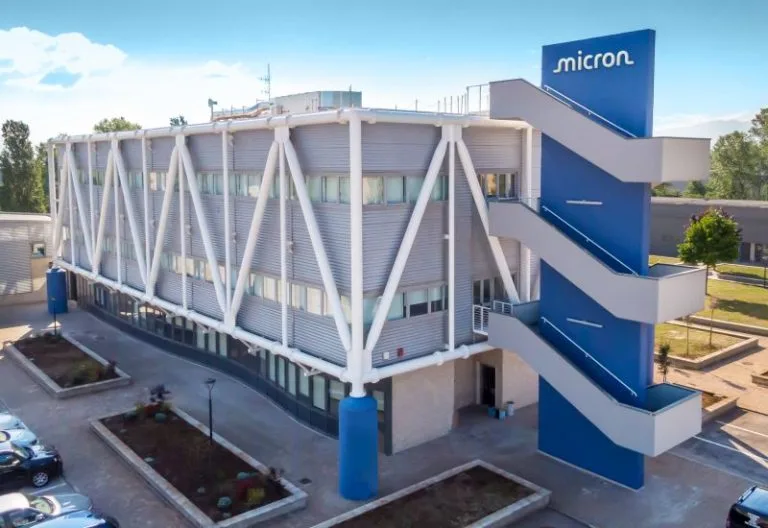
Elon Musk Reveals Tesla Secured Significant Memory Chip Supply from Micron Amid AI Push
July 23, 2026
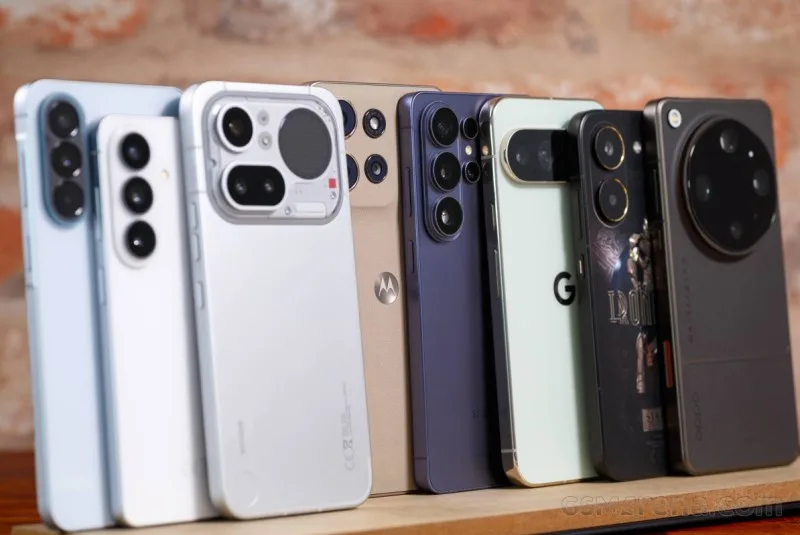
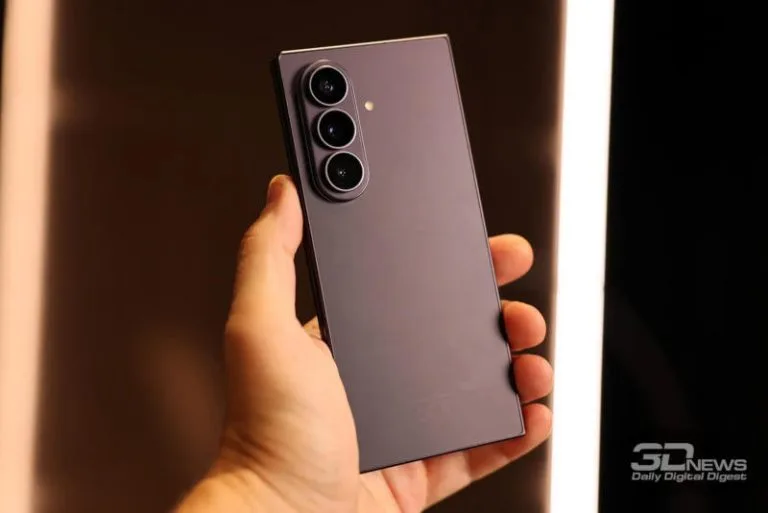
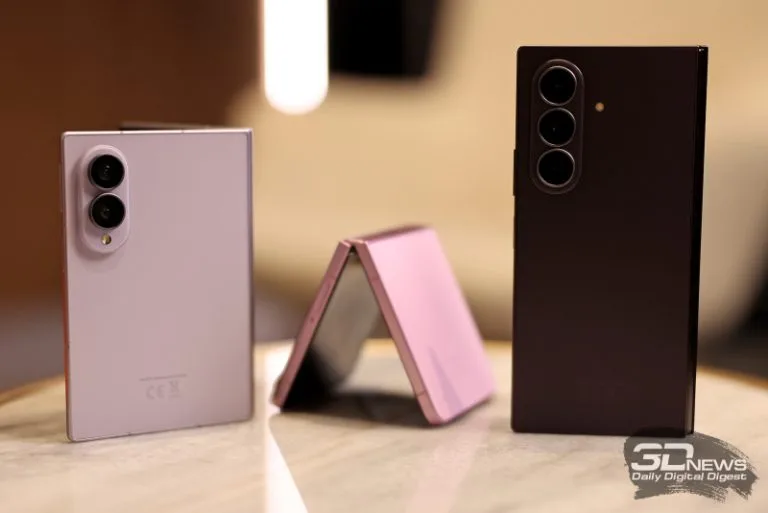
A comprehensive comparison of current smartphone processors has uncovered a significant disparity in performance levels across the market. According to a recent study published by GSM Arena, the fastest mobile chipset outperforms the lowest-ranked processor by approximately 15 times, highlighting the vast range of computing power available in smartphones today.
The investigation examined a variety of chips powering smartphones available on the market, revealing a striking contrast between flagship-level processors and budget alternatives. Despite the enormous gap in raw performance, the study found that both high-end and entry-level chips are capable of running the same set of applications and games, although likely with different user experiences.
This significant difference underscores how varied the mobile processor market has become. While premium smartphones benefit from cutting-edge silicon delivering exceptional speed and efficiency, lower-tier devices still manage to support broad functionality, catering to consumers seeking affordable options without completely compromising on software compatibility.
The study’s findings also point to the rapid advancements and competitive innovations shaping the industry. As technology developers continue to push the limits of semiconductor design, the range of choices for consumers expands, from power-hungry flagship chips aimed at demanding users to more modest processors that enable basic smartphone tasks.
In summary, the landscape of mobile chipsets is characterized by an increasingly stretched spectrum, where the highest-performing processors operate multiple times faster than those found in entry-level devices. Despite this, the ability to run key apps and games remains a common denominator, reflecting the adaptability and scalability of mobile operating systems amid diverse hardware capabilities.
The report does not detail pricing or specific models but provides valuable insight into how performance tiering impacts the smartphone experience, influencing purchasing decisions depending on user needs and budget constraints.
A recent study highlights a 15-fold performance difference between the top and lowest-ranking smartphone processors, despite both running similar apps.