Memory Chip Makers Face Potential DRAM Oversupply by 2028 Amid Massive Capacity Expansions
July 20, 2026
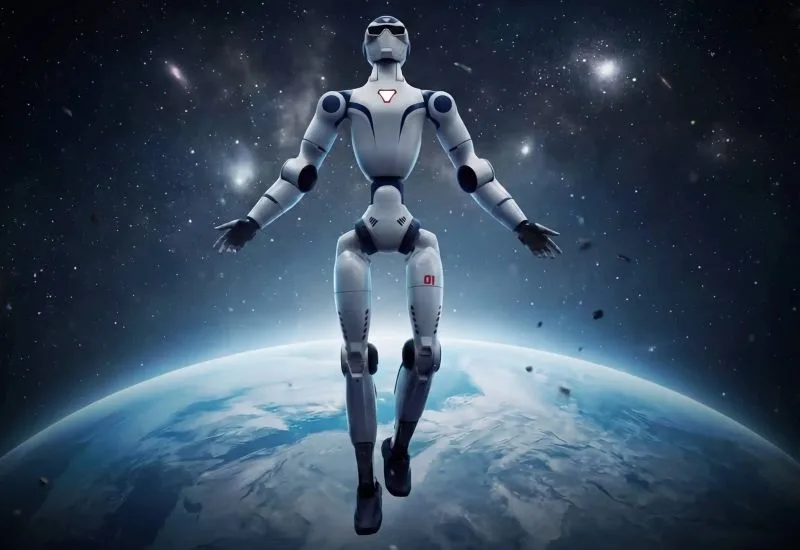
Masayoshi Son, the CEO of SoftBank, recently expressed strong confidence in the potential of humanoid robots to reshape both human life and various industries within the next decade. Speaking to reporters, Son highlighted physical artificial intelligence (AI) and robotics as the sector expected to give rise to the next trillion-dollar company.
Humanoid robots have increasingly attracted attention in recent years as advancements in AI and robotics converge. Son’s remarks underscore the growing belief among investors and industry experts that these machines will become integral to everyday activities and industrial operations. The fusion of physical capabilities with intelligent systems is seen as a pivotal milestone driving the next stage of technological evolution.
The emergence of humanoid robots is expected to significantly impact a wide range of sectors. Their ability to operate in environments designed for humans positions them as versatile tools in manufacturing, logistics, healthcare, and beyond. This adaptability is predicted to fuel substantial growth in the physical AI segment.
According to industry projections referenced by Son, the market associated with physical AI and robotics could expand by a factor of 100 over the coming years. Such rapid scaling reflects not only improvements in robot functionality but also growing demand for automated solutions that can augment or replace human labor in complex tasks.
SoftBank’s strategic focus on robotics signals an intent to capture and lead innovation in this rapidly developing field. The company’s pursuit of breakthroughs in humanoid robotics aligns with broader trends emphasizing automation, digital transformation, and intelligent machinery as drivers of economic progress.
The prospect of humanoid robots becoming widespread tools in both personal and professional settings speaks to the larger vision of AI’s integration beyond software and data, extending into the physical world. This vision places machines capable of interacting in human-like ways at the forefront of next-generation technological advancement.
As development continues, factors such as robot safety, ethical use, and human-robot collaboration will be critical considerations. Observers note that the coming decade will be essential for balancing innovation with societal impact as humanoid robots transition from experimental platforms to practical assets.
While precise timelines and details remain fluid, the anticipation of significant growth in the physical AI sector confirms its role as a key focus area for investors aiming to capitalize on transformative technology trends. SoftBank’s leadership in this space may help accelerate adoption and inspire new applications of humanoid robots worldwide.
SoftBank’s Masayoshi Son sees humanoid robots revolutionizing industries and everyday life, anticipating massive growth in physical AI over 10 years.