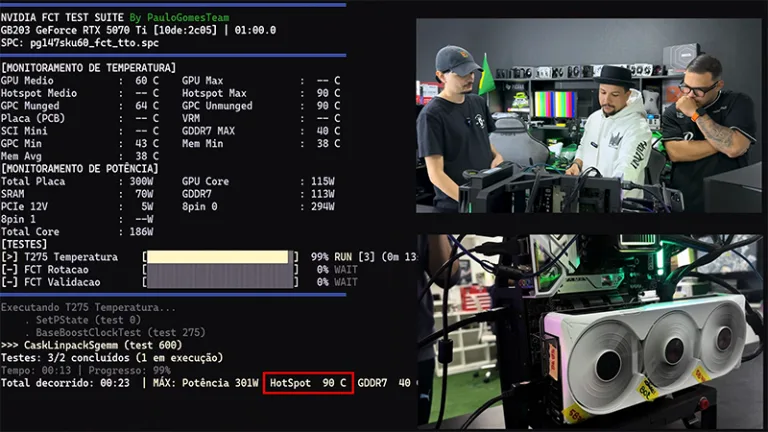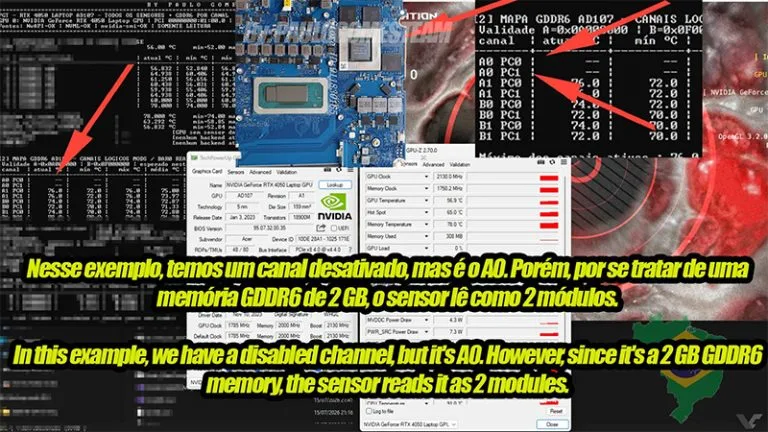
Nvidia GPUs Can Report Individual GDDR6 and GDDR6X Memory Chip Temperatures, Enthusiasts Discover
July 19, 2026
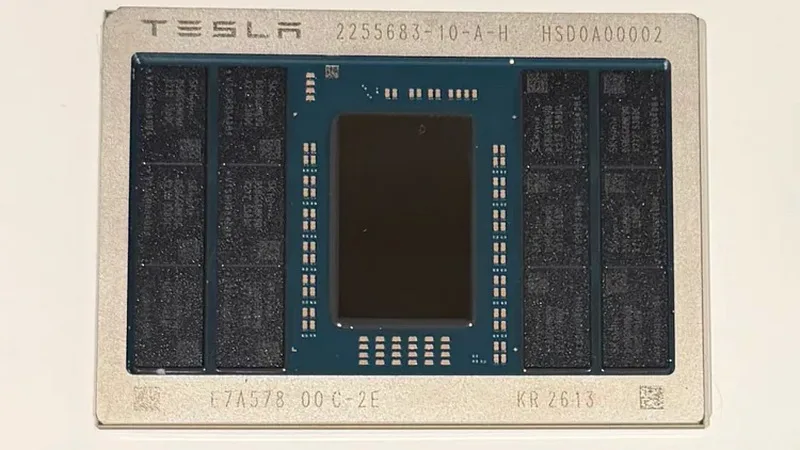
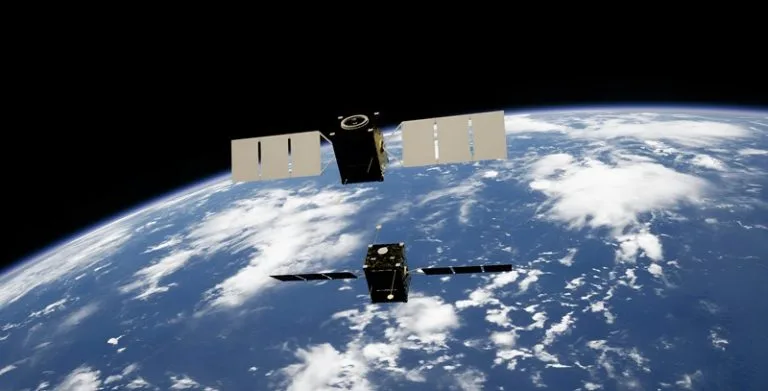
SpaceX has disclosed significant challenges regarding its ambitious plans to establish a network of orbital data centers designed to support artificial intelligence workloads. As the company approaches a highly anticipated initial public offering (IPO), concerns about the availability of semiconductor chips critical to these projects have come to the forefront.
The company revealed that its current chip procurement capabilities fall drastically short of what is needed to realize its vision of deploying data centers in orbit capable of handling AI processing on a large scale. This shortfall raises questions about the feasibility and timeline of SpaceX’s AI initiatives in space.
A key element in SpaceX’s strategy to address this shortage is the development of the TeraFab project, an ambitious effort to supplement chip production internally or through new avenues. However, SpaceX itself has expressed uncertainty about whether TeraFab can effectively resolve the supply constraints, acknowledging that the venture might not succeed.
Compounding the issue is the reality that SpaceX’s current technology partners, notably Tesla and Intel, may not provide sustained support for chip supply in the long term. Without guaranteed backing from these collaborators, the semiconductor bottleneck threatens to impede progress substantially.
The chip scarcity aligns with broader global semiconductor supply challenges, where demand consistently outpaces manufacturing capacity. For SpaceX, which aims to push technological boundaries by integrating AI capabilities directly into its space infrastructure, securing a reliable and sufficient chip supply is critical.
This development underscores potential risks in the intersection of space technology and AI deployment. While SpaceX has revolutionized sectors such as satellite internet and space launch systems, this new hurdle illustrates the complex supply chain dependencies embedded even in the most cutting-edge technological endeavors.
As SpaceX continues to refine its plans and address the semiconductor shortage, industry observers will watch closely to see how innovations like TeraFab evolve and whether alternative solutions emerge. The company’s ability to overcome these hardware limitations could have significant implications not only for its IPO but also for the future of orbital computing and AI.
SpaceX warns of severe chip shortages needed for its orbital AI data centers, with the TeraFab initiative unlikely to fully resolve the issue.