Memory Chip Makers Face Potential DRAM Oversupply by 2028 Amid Massive Capacity Expansions
July 20, 2026

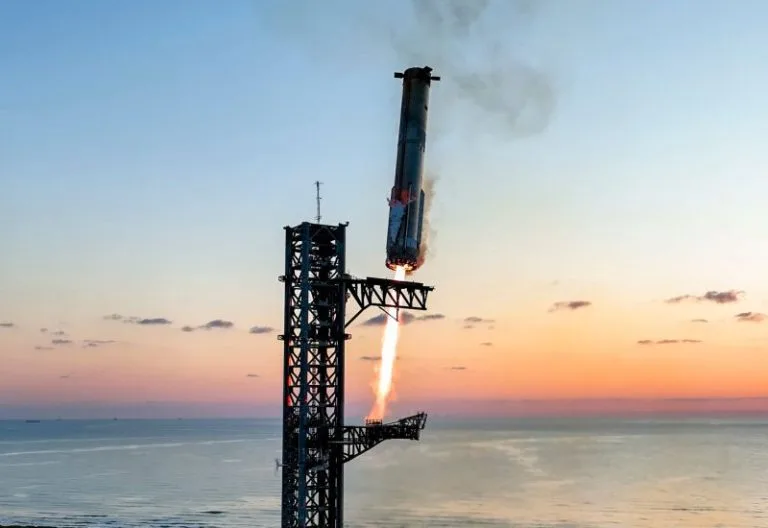
SpaceX has begun actively recruiting specialists for an ambitious project to build orbital data centers dedicated to artificial intelligence (AI) computations. This initiative reflects the company’s vision to position space as a primary platform for advanced AI processing.
The project involves deploying a constellation of up to one million satellites equipped with high-performance computing capabilities. Each satellite in this network is projected to deliver approximately 100 kilowatts of computational power per ton, establishing a scalable infrastructure designed to significantly boost AI workloads.
Elon Musk’s SpaceX aims to develop a pioneering satellite network that annually adds around 100 gigawatts of processing capacity specialized for AI. This gradual increase in computing power signals an intent to leverage the inherent advantages of space assets, such as enhanced connectivity and reduced latency, for large-scale AI operations.
The scale of this project—envisioning millions of satellites operating in concert—could potentially redefine how AI calculations are managed, shifting a portion of these workloads off Earth and into orbit. Such a move may introduce new paradigms in cloud computing and data center distribution, optimizing access to AI resources globally.
While details about the timeline, specific technologies, and potential use cases remain forthcoming, the recruitment drive highlights SpaceX’s commitment to cultivating the necessary expertise for this complex endeavor. The effort underscores a broader trend of integrating space infrastructure with cutting-edge AI technology to meet the rapidly growing demand for processing power.
The initiative also raises important considerations about the operational logistics, energy requirements, and sustainability of maintaining and managing vast orbital computing arrays. The underlying technology and engineering challenges include satellite deployment, maintaining network integrity, thermal management, and power supply in space environments.
If successful, SpaceX’s orbital data centers could complement terrestrial AI infrastructures by providing additional, scalable computational resources. This could accelerate AI development across industries, enabling more complex models and faster data processing capabilities.
SpaceX has yet to disclose comprehensive plans regarding the project’s development phases or estimated costs. However, the focus on hiring specialized talent indicates progress toward making this vision a reality, potentially opening new frontiers where space and AI intersect.
SpaceX is recruiting experts to develop orbital data centers, aiming to transform space into a key hub for AI processing power.