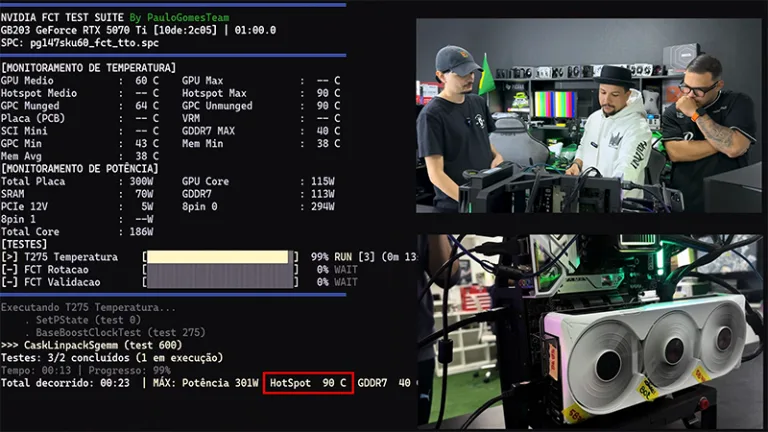
Nvidia GPUs Can Report Individual GDDR6 and GDDR6X Memory Chip Temperatures, Enthusiasts Discover
July 19, 2026
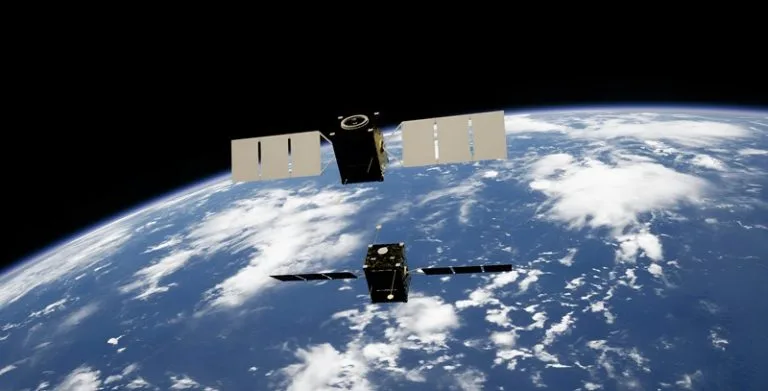
SpaceX has disclosed a sharp increase in collision avoidance maneuvers performed by its Starlink satellites over a recent six-month period, highlighting growing concerns about space debris and satellite traffic management in low Earth orbit. The company submitted a report to the U.S. Federal Communications Commission (FCC) detailing the scale of these operations and their potential consequences for satellite performance and orbital missions.
According to SpaceX’s filing, between June 1 and November 30, 2025, nearly 148,700 avoidance maneuvers were carried out by Starlink satellites to prevent collisions with other spacecraft and orbital debris. Each of these adjustments consumes onboard fuel and demands coordination resources, which directly affect the satellites’ operational lifespan and communication capabilities.
The report drew attention to the fact that the increased frequency of such maneuvers stems partly from the presence of numerous Chinese satellites and space debris, which complicates safe navigation in orbit. The depletion of critical resources like propellant heightens the risk of mission failure, potentially leading to long-term disruptions or closures of orbital networks that serve global communication needs.
SpaceX’s disclosure serves as a warning about the implications of intensifying orbital congestion not just for its own constellation but also for broader satellite operations that rely on safe and sustainable space environments.
In the context of the booming satellite internet and space exploration sectors, various companies and governments are rapidly deploying satellites, raising competition for limited orbital paths. This trend has accelerated the need for advanced space traffic management systems and international cooperation to mitigate collision risks amid an expanding volume of space debris and active spacecraft.
Monitoring developments in orbital sustainability and regulatory frameworks will be essential as operators like SpaceX continue to manage increasingly crowded space lanes. Future updates from SpaceX and regulatory bodies are expected to provide further insights into the evolving challenges of maintaining satellite constellations in increasingly congested orbits.
SpaceX revealed nearly 150,000 Starlink collision avoidance moves in six months due to rising space debris, signaling operational challenges for satellite constellations.