TSMC Plans $265 Billion Investment to Expand U.S. Chip Manufacturing Amid Rising Competition
July 20, 2026
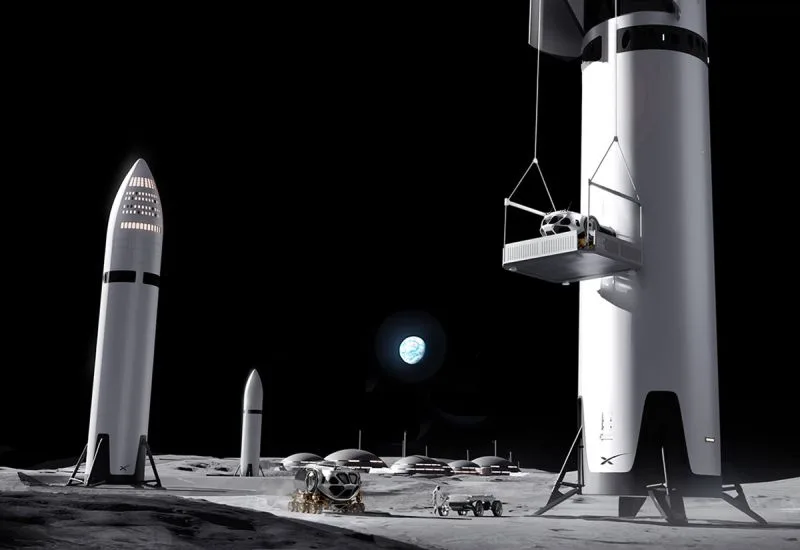
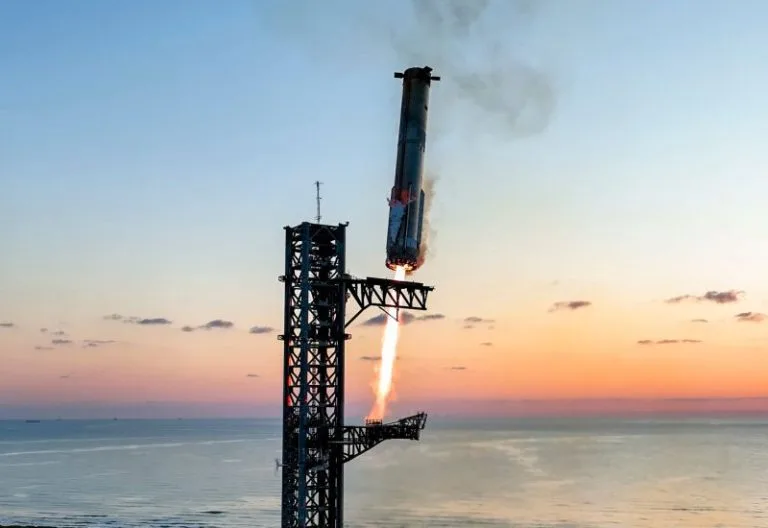
SpaceX, the aerospace company led by Elon Musk, has openly acknowledged the significant uncertainties surrounding some of its most ambitious space exploration and infrastructure projects. While the company has publicly set out plans to colonize the Moon and Mars and deploy data centers in orbit, it now admits these initiatives rely on emerging technologies that remain unproven and might fail to materialize as envisioned.
Elon Musk’s ventures are well-known for setting grand objectives in advancing human spaceflight and establishing sustainable off-world settlements. SpaceX has positioned itself at the forefront of private space enterprise, aiming not only to enable human presence beyond Earth but also to revolutionize data processing by situating data centers in low Earth orbit. This strategy promises to leverage the unique environment of space to enhance computing capabilities and connectivity in new ways.
Despite public enthusiasm, SpaceX has cautioned its potential investors and stakeholders that the underlying technology needed to achieve colonization on the Moon and Mars, as well as the construction and operation of orbital data centers, has not yet been fully validated. The company highlights the high risk associated with the development and deployment of these technologies, noting that the timelines and feasibility of such missions are uncertain.
This frank admission reflects the reality of space exploration, where technical hurdles, environmental challenges, and financial constraints frequently complicate even the most carefully engineered plans. Building habitats capable of supporting human life on the Moon or Mars requires breakthroughs in life support systems, energy generation, and long-duration space travel. Similarly, establishing data centers in orbit involves innovations in satellite design, thermal management, and reliable space-based infrastructure — areas still under active research and development.
SpaceX’s vision extends beyond traditional satellite services, aiming to create a new frontier for cloud computing and data storage. However, the company acknowledges that moving data processing hardware out of terrestrial bounds involves substantial unknowns. Factors like radiation exposure, maintenance logistics, and system robustness in the space environment remain critical challenges that must be addressed before such infrastructure can become viable.
The company’s open communication regarding these difficulties reveals a pragmatic approach amid its optimistic long-term goals. By disclosing the speculative nature of some of its projects, SpaceX provides a realistic perspective on the pace and scope of its space ambitions, underscoring that transformative breakthroughs are essential to turn vision into reality.
Ultimately, while SpaceX continues to push the boundaries of what private aerospace companies can achieve, it clearly recognizes that success in lunar and Martian colonization, along with orbital data centers, is contingent upon significant technological advancements. The company remains committed to its pioneering spirit but acknowledges that some of its most far-reaching plans might not come to fruition as originally hoped.
SpaceX admits its ambitious goals for lunar and Martian colonization, along with orbital data centers, depend on unproven technologies and carry significant risks.