Memory Chip Makers Face Potential DRAM Oversupply by 2028 Amid Massive Capacity Expansions
July 20, 2026
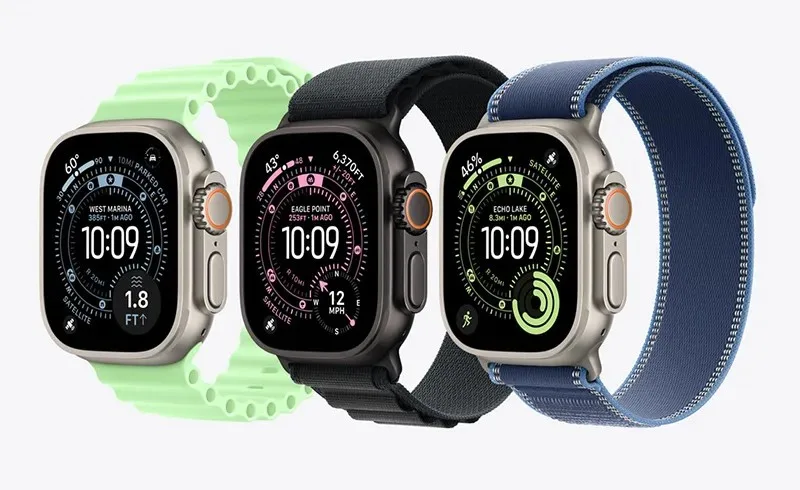
The wearable electronics sector has experienced a period of relative stagnation, with smartwatches maintaining a solid presence but falling short of becoming fully comprehensive devices. While the genre has firmly established itself as a mainstream product, it continues to face challenges in expanding its utility beyond core functionalities.
Entering early 2026, smartwatches are widely adopted by consumers across various demographics. The appeal of these devices remains strong due to their convenience and ability to provide notifications, health tracking, and other features directly on users’ wrists. Despite this, the category has not yet evolved into a ubiquitous tool that seamlessly integrates all aspects of everyday life, suggesting room for innovation and growth.
The current marketplace presents a stable assortment of options, reflecting incremental advancements rather than revolutionary breakthroughs. Manufacturers prioritize refining performance, enhancing user interfaces, and extending battery life, which continue to be key selling points. However, this incremental evolution has contributed to a somewhat static environment where new releases tend to offer moderate improvements instead of radical changes.
Health monitoring remains a central driver of smartwatch usage, with capabilities such as heart rate measurement, sleep analysis, and fitness tracking dominating features. Some models extend their reach into medical-grade sensors and detection, yet these have not universally redefined consumer expectations or adoption rates. Additionally, the integration with smartphones and other devices remains critical, as smartwatches primarily function as companion gadgets rather than standalone products.
While the smartwatch footprint in the technology ecosystem is undeniable, it has yet to reach a level of universality or indispensability. Market players continue to explore ways to push boundaries, whether through improved software ecosystems, new hardware innovations, or deeper incorporation of artificial intelligence. As the wearable sector prepares for future development, the balance between offering reliable, familiar functions and introducing novel capabilities will be essential for rejuvenating interest and expanding use cases.
In summary, as of early 2026, smartwatches are a well-established segment within wearable technology, recognized for their convenience and health-tracking functions. Yet the promise of transforming into all-encompassing, integrated lifestyle hubs remains partially unrealized. Observers anticipate that ongoing technological efforts will chart the course for the next phase of growth and adoption in this space.
Despite widespread adoption, smartwatches have yet to become fully integrated lifestyle devices. Here is the 2026 assessment of the market.