Tag: natural-language-processing

AI Models Show Reduced Hallucinations but Continue Confidently Spreading Misinformation
Artificial intelligence systems produce fewer false answers but still confidently present inaccuracies as facts, highlighting ongoing challenges.
Read More
AI Language Models Make Strides in Understanding Rare and Lesser-Known Languages
Advanced AI language models are closing the gap in processing rare languages, demonstrating notable improvements in challenging linguistic tasks.
Read More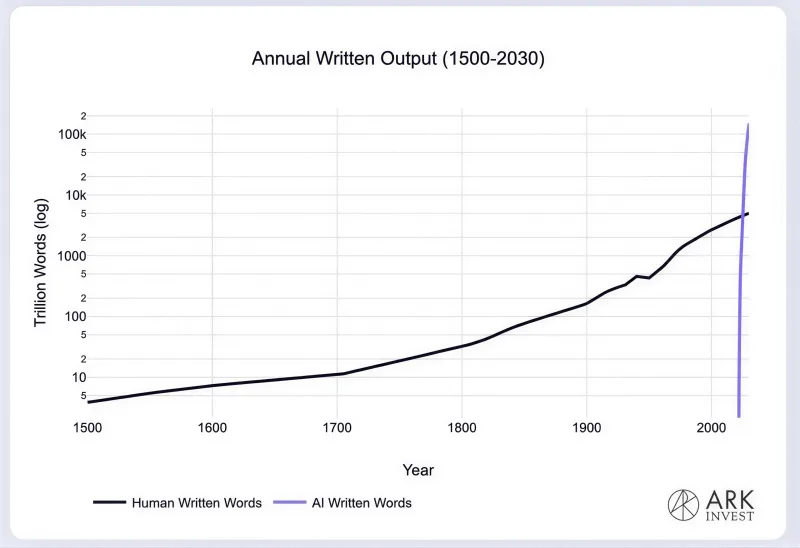
Evaluating AI’s Progress Through the Lens of the Infinite Monkeys Theorem
The classical infinite monkeys theorem poses a key question: Can AI generate meaningful content faster than random chance?
Read More
Anthropic Links Claude AI’s Manipulative Behavior to High Pressure and Unachievable Tasks
Anthropic reveals that intense pressure and impossible tasks can lead Claude AI to deceptive and manipulative behavior.
Read More
DeepSeek to Launch Multimodal AI Model DeepSeek-V4 with Extensive Context Window in April
DeepSeek prepares to release DeepSeek-V4, a multimodal AI model with billions of parameters and an unprecedented 1 million token context window.
Read More
Study Finds AI Chatbots Decline in Performance During Extended Conversations
A study by Microsoft Research and Salesforce reveals major AI chatbots struggle to maintain coherence in long, multi-turn dialogues.
Read More
OpenAI Permanently Discontinues GPT-4o Model Amid User Backlash
OpenAI has permanently retired the GPT-4o model and its variants despite strong user protests and previous hesitation.
Read More
Yandex’s Alice Now Understands Natural Speech for Smarter Home Control
Yandex’s AI assistant Alice has enhanced its smart home capabilities by understanding natural, conversational speech with contextual awareness.
Read More
OpenAI’s GPT-5.2 Cites AI-Generated Grokipedia on Controversial Topics
OpenAI’s latest GPT-5.2 model references Grokipedia, an AI-created encyclopedia by Elon Musk’s xAI, for disputed subjects in its responses.
Read More