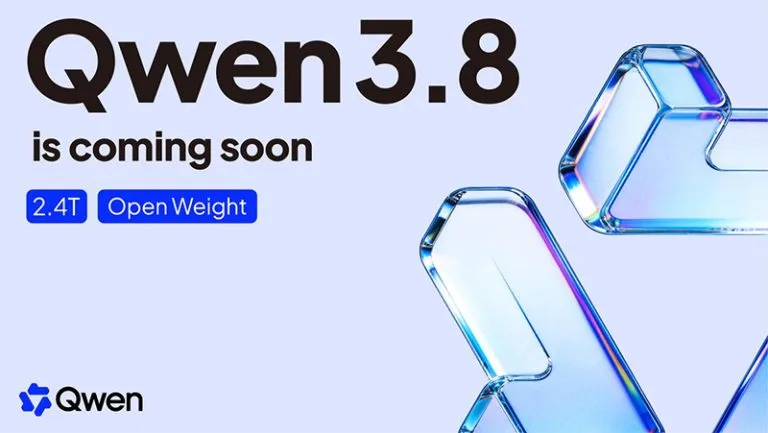
Alibaba Unveils 2.4 Trillion Parameter AI Model Qwen3.8 with Multimodal Capabilities
July 19, 2026

Artificial intelligence models have made progress in reducing the frequency of hallucinations—instances where they provide knowingly incorrect or fabricated responses—but the issue has not been fully resolved. Despite improvements, AI systems continue to produce inaccurate answers, often with persuasive and confident language that can mislead users.
Hallucinations pose a significant obstacle for AI developers and users, as these erroneous outputs undermine trust and limit reliable application across various industries. While advancements in training techniques and data quality have lessened the prevalence of such errors, the persistent nature of hallucinations indicates that current AI architectures and methodologies remain imperfect in discerning and communicating factual content.
One of the key concerns highlighted by recent analyses is the convincing rhetoric AI systems employ when delivering false information. Their outputs often come across as authoritative and well-structured, which can obscure the inaccuracies and give a false impression of credibility. This phenomenon complicates efforts to detect and correct misinformation generated by AI without additional verification or human oversight.
The ongoing struggle against hallucinations is particularly relevant as AI tools become more integrated into decision-making, content creation, and customer service roles. Users may rely on AI-generated information for critical tasks, making it essential that output accuracy is closely monitored and improved to prevent the spread of misinformation.
Experts emphasize the necessity of continued research and development to enhance AI’s ability to cross-check information, contextualize responses, and acknowledge uncertainty when appropriate. The dynamic nature of language and the vast spectrum of human knowledge further complicate this task, requiring sophisticated models capable of nuanced understanding.
Ultimately, while the frequency of hallucinations has declined, the confidence with which AI presents falsehoods remains a challenge. Addressing this issue will be crucial to fostering trust and ensuring responsible use as artificial intelligence continues to expand in scope and capability.
Artificial intelligence systems produce fewer false answers but still confidently present inaccuracies as facts, highlighting ongoing challenges.