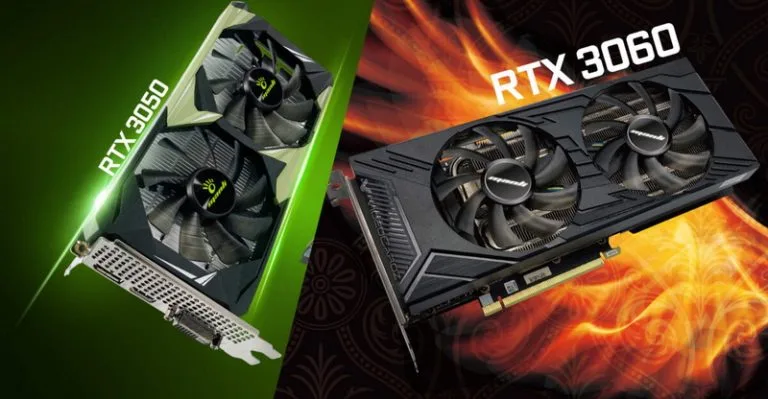
Manli Introduces New GeForce RTX 3060 and RTX 3050 Graphics Cards
June 12, 2026

Quantum computing has rapidly evolved over recent years, with some of the earliest devices already exhibiting performance advantages over traditional classical computers in certain specialized tasks. Yet, the broader implications and purposes of these groundbreaking machines are still an active subject of discussion within the tech community and scientific research.
Current quantum computers, while far from perfect, have demonstrated the ability to tackle particular problems with efficiency that outpaces classical methods by orders of magnitude. This speed advantage has fueled much of the excitement surrounding the technology. However, researchers caution that sheer processing speed is only one aspect of what quantum systems might eventually contribute to computing and scientific advancement.
The intrinsic power of quantum systems stems from the principles of quantum mechanics, enabling phenomena such as superposition and entanglement to process information in ways classical computers cannot replicate. These unique characteristics open doors to new types of algorithms and problem-solving capabilities that go beyond merely performing calculations faster.
One area of impactful potential lies in simulating complex quantum systems—a task notoriously difficult for classical computation. Quantum computers could profoundly advance material science, chemistry, and fundamental physics by modeling molecular interactions with unprecedented accuracy, potentially accelerating drug discovery or the development of novel materials.
Moreover, quantum machines might offer novel approaches for optimization problems found in logistics, finance, and artificial intelligence. These applications could lead to solutions currently beyond reach, driving significant industry transformation.
Nevertheless, the path toward fully realizing this potential remains challenging. Existing quantum hardware is still limited in qubit count, coherence times, and error rates, restricting the range of practical applications at present. Ongoing research efforts focus on improving system reliability, scalability, and error correction to enable more complex and versatile computations.
As technology matures, the broader vision for quantum computing extends well beyond speed advantages. Instead, its true historical significance may lie in introducing fundamentally new computing paradigms that reshape multiple disciplines and industries.
Ultimately, while current quantum devices showcase remarkable promise by outperforming classical counterparts in specific tests, their authentic global and historical role may unfold gradually, driven by sustained innovation and discovery across scientific and engineering fields.
Quantum computers today outperform classical systems in specific tasks, but their ultimate purpose remains a topic of ongoing exploration.