Memory Chip Makers Face Potential DRAM Oversupply by 2028 Amid Massive Capacity Expansions
July 20, 2026
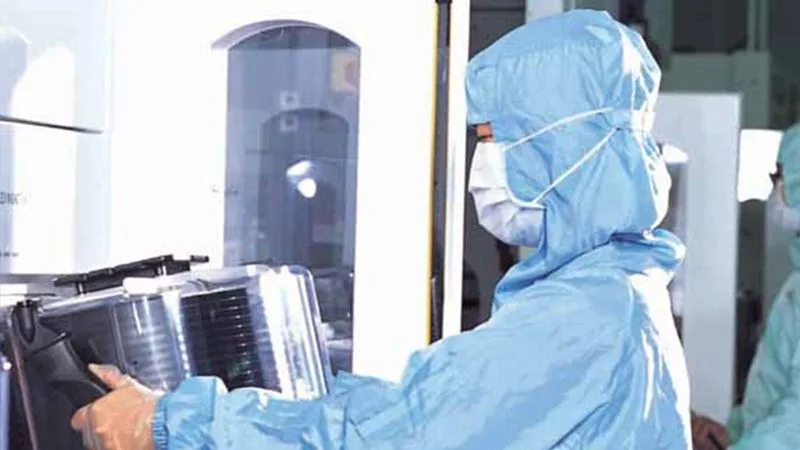
As artificial intelligence workloads continue to expand their demands on computational resources, semiconductor giant TSMC has publicly announced a strategic pivot in chip development priorities. The company highlighted energy efficiency as the foremost challenge for future processors, overtaking the traditional focus on pure computational performance.
A spokesperson from TSMC emphasized that the surging electricity requirements driven by AI applications have introduced new constraints in the semiconductor industry. With AI models increasingly reliant on high-intensity processing, simply adding more transistors or escalating chip speeds is no longer sufficient or sustainable. Consequently, energy-efficient design has become the critical benchmark in the race to advance computing hardware.
Industry leaders acknowledge that the historic approach of boosting performance primarily by transistor count and clock rate enhancement has reached diminishing returns, particularly when factoring in the escalating thermal and power consumption issues associated with AI tasks. This shift implies significant innovations in fabrication processes, chip architecture, and power management techniques will be necessary to meet these energy challenges.
TSMC’s stance reflects broader trends in the semiconductor sector, where balancing performance with sustainability and operational costs has gained prominence. As AI workloads intensify, the demand for chips that deliver optimized computational output per watt rather than raw speed alone is transforming design philosophies across the industry.
This transition carries implications not only for semiconductor manufacturers but also for the data centers and technology enterprises relying heavily on AI. Improved energy efficiency in chips could reduce operational expenses and environmental impact, helping to align next-generation computing capabilities with global sustainability goals.
While specific technical details and timelines were not disclosed, TSMC’s comments underscore a pivotal moment where the future of chip innovation will be measured by how efficiently they can perform in energy-intensive AI environments, rather than just their peak processing power.
TSMC emphasizes energy efficiency over raw performance as AI’s growing power needs reshape chip development priorities.