James Webb Telescope Sheds Light on Atmosphere of a Planet Orbiting a Dead Star
July 11, 2026
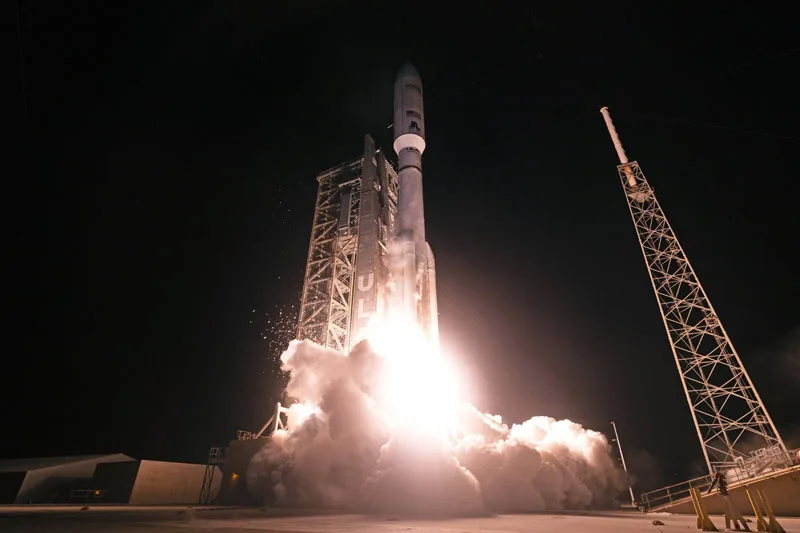
The United Launch Alliance (ULA) has marked a significant milestone as it transitions away from the most powerful configuration of its long-serving Atlas V rocket. On July 2, 2026, the Atlas V 551 variant successfully deployed a constellation of 29 Amazon satellites into orbit. This event was the 110th and final flight of this particular configuration, which featured five solid rocket boosters and a five-meter payload fairing.
This launch represented the end of a chapter for the Atlas V 551, as ULA announced that this rocket variant will no longer be flown. The high-thrust setup of the Atlas V 551, known for its ability to carry heavier payloads, will not be recreated in future missions. This development effectively draws the curtain on one of the most powerful configurations in service since the Atlas V family’s inception.
With the retirement of this variant, the remaining six Atlas V rockets still operational are being repurposed for a highly specialized role. Due to limitations tied to their design and propulsion, notably involving Russian-made engines, these rockets are now dedicated almost exclusively to launching Boeing’s CST-100 Starliner crewed spacecraft.
The six remaining Atlas V vehicles, limited by their existing propulsion systems, will focus on supporting Starliner’s continuing development and operational missions. This strategic shift underscores the evolving landscape of orbital launch systems and the challenges faced by providers reliant on international supply chains for critical rocket components.
Over the years, the Atlas V rocket family has been a workhorse for ULA, supporting a variety of commercial, military, and scientific missions. Its versatility and reliability have made it a preferred choice for deploying satellites and spacecraft to diverse orbits. However, the phase-out of the 551 configuration highlights both technological progression and geopolitical factors influencing current aerospace strategies.
Looking ahead, ULA is channeling resources toward newer launch systems that offer enhanced capabilities and independence from components affected by international tensions. Meanwhile, the Atlas V continues to serve a vital niche ensuring Starliner missions reach orbit reliably, sustaining crewed spaceflight capabilities for NASA and its partners.
The Atlas V 551’s final accomplishment adds to an impressive legacy of over a hundred successful launches. Although this powerhouse configuration is retiring, the Atlas V family remains active with a purpose-driven role, exemplifying the adaptive nature of launch vehicles as aerospace demands evolve.
United Launch Alliance ends the era of its most powerful Atlas V rocket configuration, dedicating the remaining six Atlas V launchers to Starliner missions.