Steam Machine Sales Surpass Expectations with Weekly Figures Reaching Up to 15,000 Units
July 19, 2026
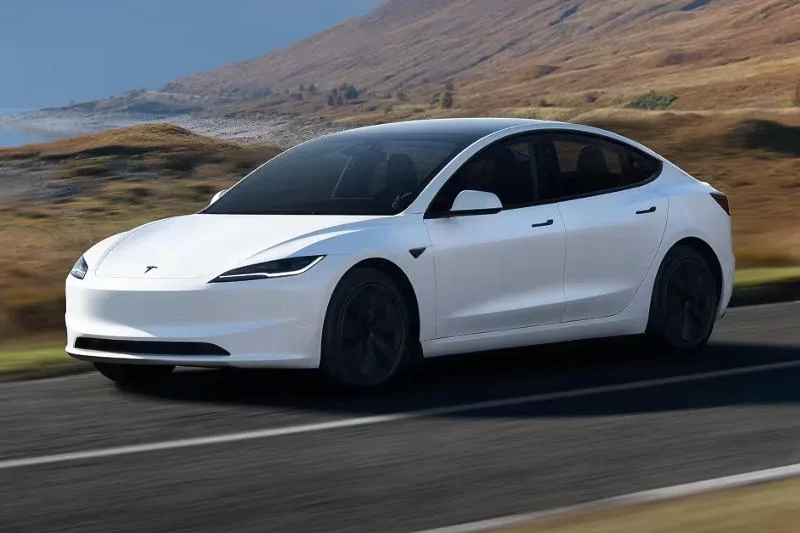
The United States regulatory body responsible for roadway safety has escalated its investigation into Tesla’s Autopilot driver assistance system. This move comes after authorities linked the technology to nine distinct vehicular accidents, one of which resulted in a fatality.
The agency aims to thoroughly evaluate Autopilot’s capacity to accurately detect and respond to deteriorating road conditions. Such conditions pose significant challenges to driver assistance technologies tasked with maintaining safety in diverse driving environments.
Tesla’s Autopilot, designed to aid drivers via semi-automated control over steering, acceleration, and braking, has previously attracted scrutiny over safety concerns. This renewed examination reflects persisting questions regarding the system’s real-world performance and reliability under complex traffic scenarios.
The intensified probe by U.S. regulators is centered on whether Autopilot adequately alerts drivers and adjusts vehicle behavior amid worsening road scenarios. The investigation follows the identification of nine crashes where these factors reportedly played a critical role.
Though full details of the accidents have not been publicly released, the inclusion of a fatal collision underscores the regulator’s commitment to ensuring that emergent autonomous and semi-autonomous vehicle technologies meet high safety standards.
The regulator has signaled that the inquiry will scrutinize Tesla’s data, system logs, and crash reconstructions to understand the sequence of events leading to these accidents. Evaluating how effectively Autopilot detects hazards and communicates with the driver will be key areas of focus.
Automakers and technology developers have faced increasing demands from safety authorities to validate the performance of driver assistance features. Maintaining public trust and minimizing road traffic fatalities hinge upon transparent assessments and improvements in these systems.
This development marks a significant chapter in ongoing regulatory oversight of Tesla’s Autopilot technology, which remains a widely discussed subject in the evolving landscape of vehicle automation and electric mobility.
The U.S. safety regulator intensifies scrutiny of Tesla’s Autopilot after nine crashes, including one fatal, to assess its response to changing road conditions.